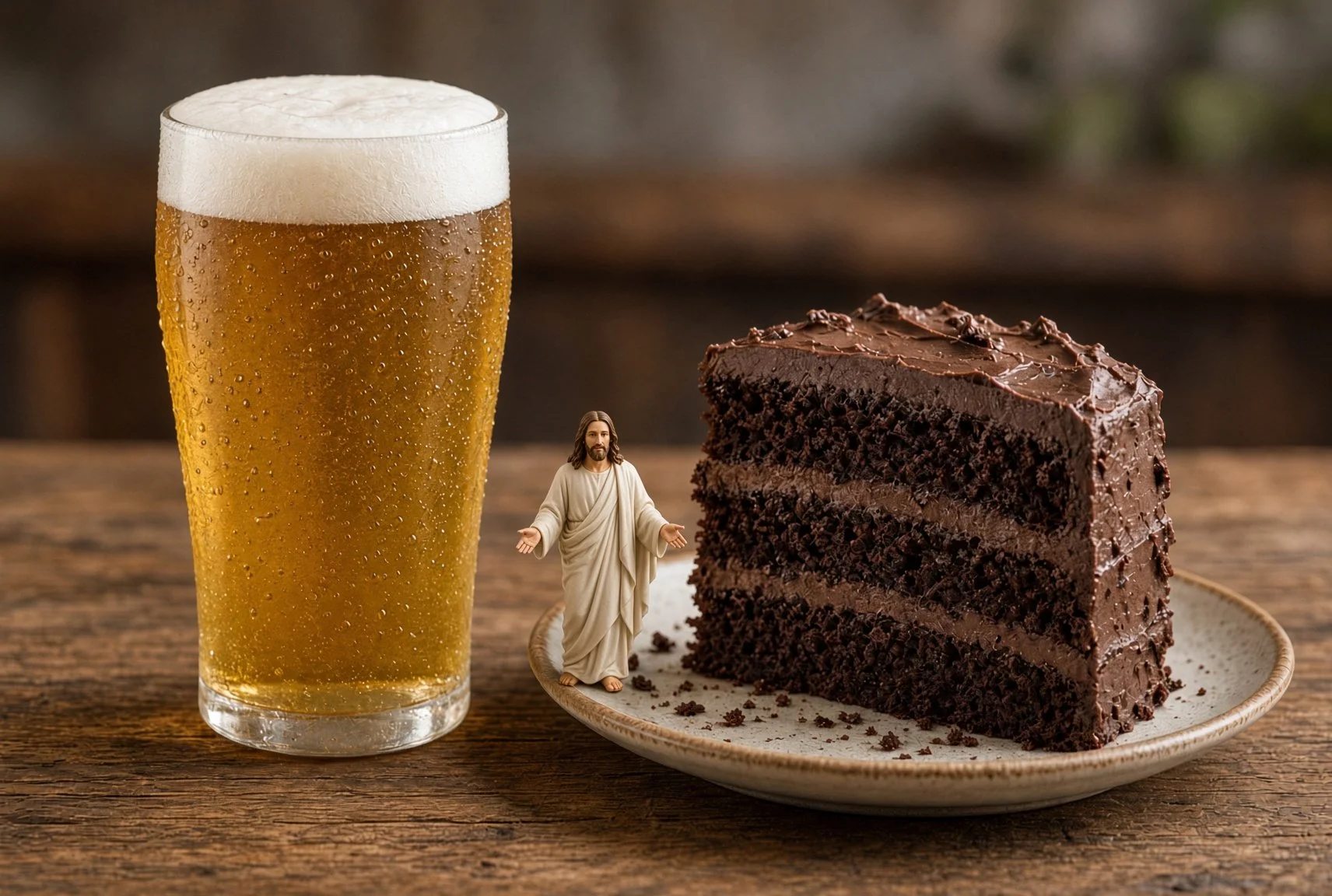
Jesus, cake, and a beer
Ive been thinking about this idea for awhile. It seems like some “sins” are more socially acceptable than others. I finally wrote a story about it. You may read it here.
People say drinking alcohol is wrong, but they don’t complain about gluttony, which is also wrong. They might frown on a beer, but eat themselves to death at the church potluck. The problem is not the stuff; the problem is going to excess and letting it rule your life.
Check out the story and tell me what you think.
I used AI to create the image to go with this story. I just thought up the image in my head . I could have set that up and taken a picture myself, but just had AI do it. I think that is an ethical use of AI.
Music is the Fountain of Youth at the Walnut Valley Festival
Age is just a number, they say, or maybe youth is a state of mind.
The real danger in retirement is sitting down and doing nothing. Those who stay active do well. There are many older people at the Walnut Valley Festival in Winfield, and most of them are doing fine. I am about to hit 70 myself, on the last day of the festival, I sometimes feel like I’m one of the younger ones.
I saw how age didn’t hold people back twice while working a gate at the Walnut Valley Festival this year. I worked the overnight shift a few times this year. It involves two people hanging around an entrance, checking wristbands and window stickers. So far it’s been boring and not interesting - which is what you want while doing security.
One night I worked with a lady named Carol. She is 90 and has been coming to the festival for years, and like me, works for her camping and ticket.
She drove herself from Nebraska, about 400 miles away, for this year’s festival. She said she didn’t pull her camper herself this year, though she did until recently. She talked about various campers she has had over the years and has always done what she wanted or needed to do.
She used a cane and a walker at times during the overnight shift. She moved slowly and deliberately, but didn’t have much trouble getting around.
Another person I worked with was a man from this area, who was in his 80s. He has been to almost all of the festivals. In the early years there were only a few campers, and for a long time there were so few that things like a lineup and landrush were not even needed.
A lot of people who come to the festival are musicians. The jam sessions that go all night are legendary. Neither of those two were musicians, though; they just enjoy the music and being involved with the festival in some way. Someone has to listen to the music.
Settled in at the Walnut Valley going solo
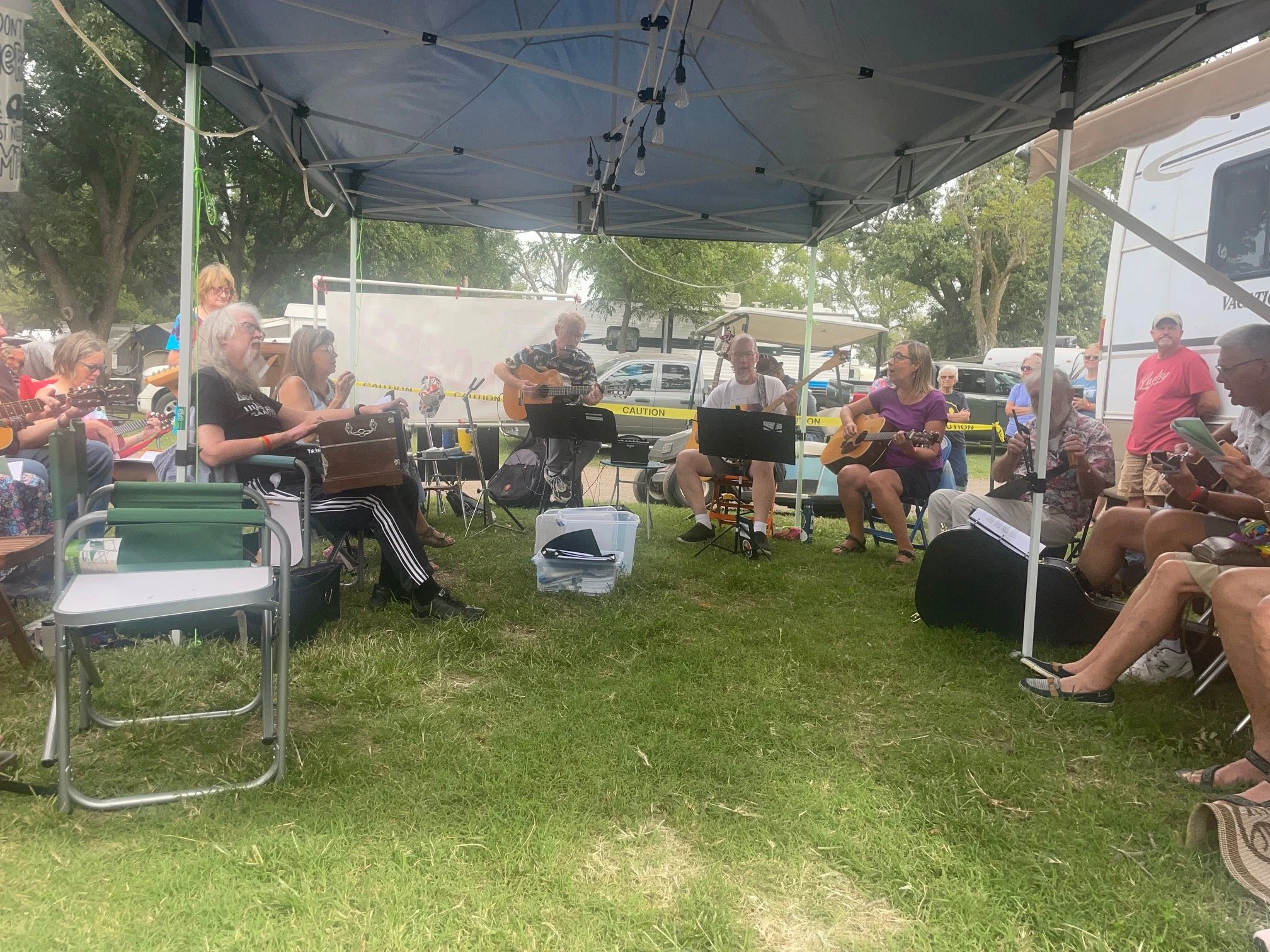
A jam session from last year.
I’ve been at the Walnut Valley Festival for three days now, and I am pretty well settled in.
There are a lot of camps—groups of people that set up together—and there are dozens, if not hundreds, of them. Some are very imaginative, and it’s a good thing to see. It does create a slight disadvantage for individual campers like me, though. It’s just human nature that people congregate with folks they know. I am not a very outgoing person, so I can end up a bit alone even in a sea of hundreds of campers.
It does force me to reach out, and being outside my comfort zone is a good thing, so I try to roll with it.
The music helps with that more than conversation does. I’ve been walking the campground after dark and stopping where the jams are already going—porch lights, a circle of chairs, someone calling a tune. I don’t sit down with an instrument yet. I stand at the edge and listen. That’s enough for now. You can tell which circles want company and which ones are a closed conversation. The good ones don’t mind an extra pair of ears. A fiddle cut through one camp last night, then a guitar found the same pocket, and for a few minutes I wasn’t an individual camper standing by himself. I was just another person facing the same song.
I’ll get a guitar out when it feels less like interrupting. Watching first is its own kind of reaching out.
I have also spent two nights working the gate overnight. That seemed to be a need they had, so I signed up for that when I registered to work. Volunteering is a great way to meet people. You can pay for your ticket and for your camping with only a few shifts. Working the gate is very boring work, and that’s a good thing. When you are working security, the more boring it is the better job you are doing. We don’t want things to get interesting. People are generally great about following the rules. At the gate, we only check that people have wristbands and parking passes.
Doing these kinds of jobs also helps one to feel like they are really a part of things. So does standing at the edge of a jam until the night air and the tunes start to feel familiar.
The weather has settled down after a wet start. Summer is back and in full force. Hot and clear is still better than wet anything at a music festival.
I’ve been coming to the festival for twenty-plus years, and camping for five. It’s a lot hotter than it used to be. The jams still start the same way they always did. The heat just hangs on later into the night.
Land Rush was a little more Exciting this year
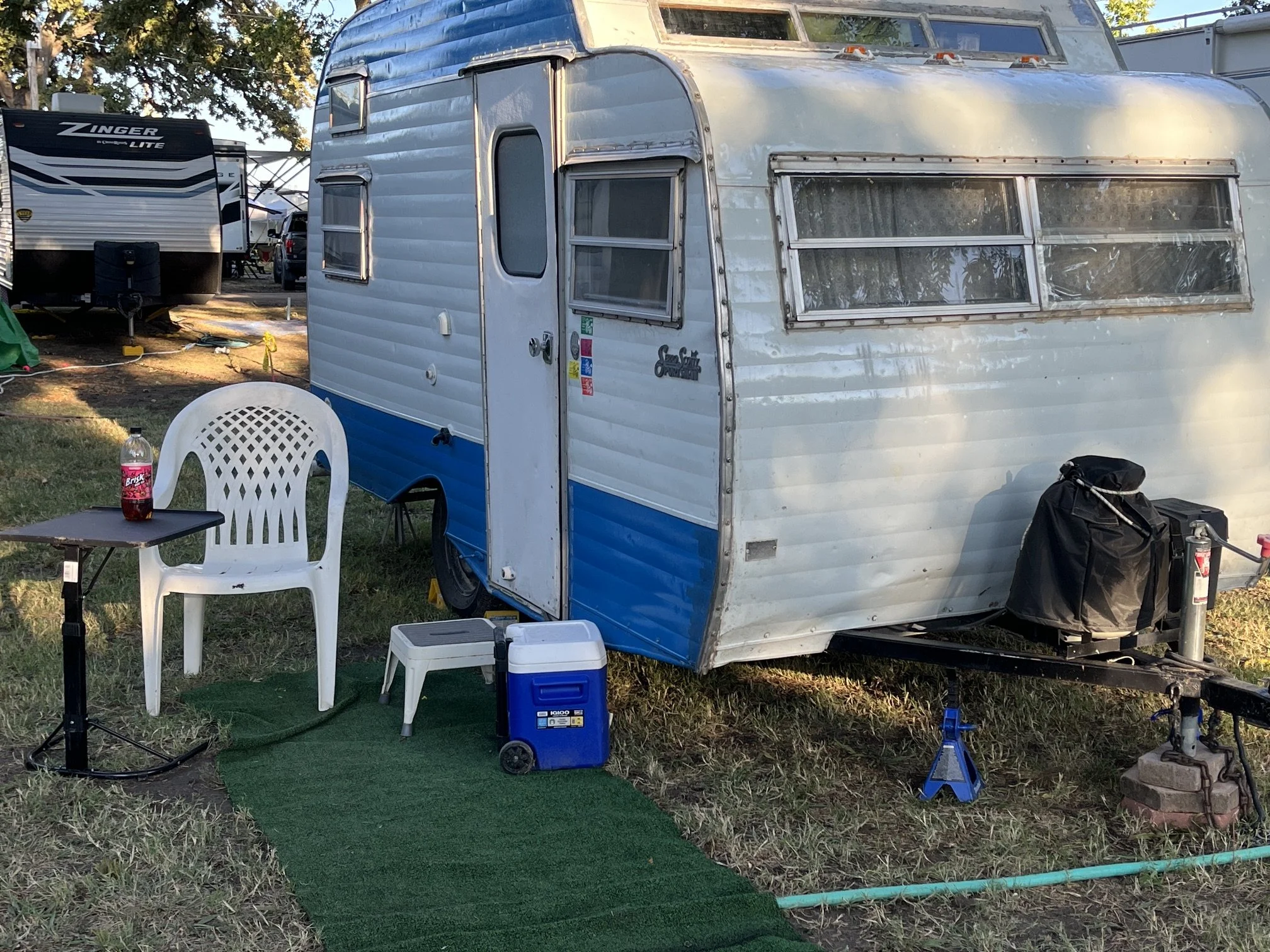
Here is my camper, all set up after the landrush
The land rush at the Walnut Valley Festival in Winfield, KS, is an exciting and nerve-wracking time anyway. This year it was a little extra as rain was forecast, with the most predicted to fall during the land rush itself.
For those who may not know, landrush is when they let campers into the campground. There is a lineup phase, but then they open the gates, and it’s every camper for themselves. First come, first served. It doesn’t matter if you have been camping in that spot for 20 years; if someone beats you to it, it’s theirs this year.
Like most folks, I had my place in line marked, and showed up Wednesday night before landrush, which was to start at 7 a.m. There was a sprinkling of rain all night, and it did rain during landrush. I tried to sleep some, but woke up about 6 a.m. with an hour to go before landrush started.
I did panic when I went to my truck and realized I had left the keys in the ignition and my battery was dead. I had visions of being left behind in the rapture of the land rush. People already have their rigs set up, and probably no one is going to want to unhook their camper and come over and give me a jump start with the starting gun bearing down on us all.
I happened to see someone arriving to hook up to his camper, so I asked for his help, and he gave me a jump start. With just over half an hour left my truck was running, and I was set to go. I left my truck running until landrush and was able to roll when the gun sounded. I also had a little voice in my head telling me I should do a walk-around one last time, about 10 minutes before the landrush started. I did so and found that I had not put my blocks that the camper stand rests on in the truck. That could have caused some damage if I had not noticed that.
I like to think the Good Lord was looking out for me. Having someone come by at the right moment, and a little inner tug to check the camper out one more time before I rolled. Theologically, I am not sure. In the overall scheme of things, me getting left behind in landrush is not much of a priority. Still, I thanked God for having things go well and for getting some breaks at the last minute. I would not have cursed God or felt let down if things had not gone well.
Once we were cleared to enter I made a straight line for the area I like. It’s close to the power poles and close enough to the port a potties, and I know some people who camp in this area. Ironically enough, I ended up beside a camper I was beside last year.
It was wet, but the rain was not falling too hard. I got electricity hooked up, set up the camper, and laid down to take a nap.
Landrush is always scary, and this year was even a little moreso at crunch time. Still it always works out somehow and is always worth it.
This is my first story about the music festival. I will try to do a daily update.
The emotion is still the thing

Photo from Unsplash
I started this site to explore the inner world and to have a place for my writings. The combination of psychology, spirituality, and emotion is a pretty big place.
So then I started posting my travel stories. What’s up with that, you may wonder. I would say that travel itself is also part of the inner world. Travel is about seeing things and experiencing things, but you do that through the inner senses such as emotions. My stories about South America, especially, are about the emotions. You can see those stories here.
You can get travel information anywhere. I’ll tell you what the place felt like. Your mileage may differ, as they say.
The site is still new, so it’s still finding its identity. Its overall purpose is to have a place for all my writing. Along the way, I’ll be exploring the inner world.
I have some book ideas I am working on. One of those is a memoir about 30-plus years in the newspaper business. That career was fueled by ADHD, which I didn’t even know about until about halfway through. It’s debatable whether knowing you have ADHD is better than not knowing. At least if you know, you have a label, so there is that, and you can take medications to help. But whether you do that or not, you still have to develop coping skills, which I did to some extent before I found the label. Finding the label was a help, but it didn’t change who I was in a big way.
There is also the spiritual and religious side. I want to post some about that, and about Bible study. That will be coming soon, but even there it’s still the inner world that matters most.
Why the West Texas Desert?
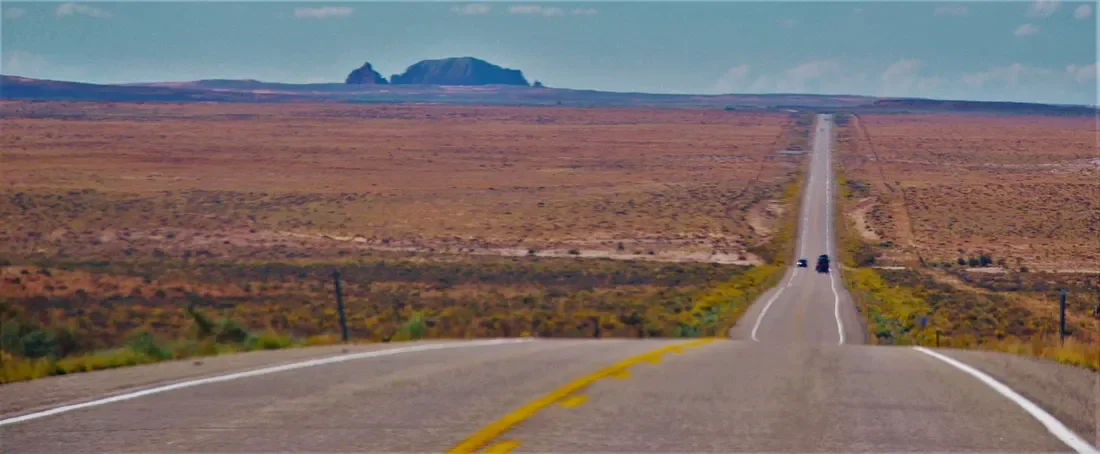
I’ve been working on the travel section of this site, and it struck me that I wrote a lot about my trip to Big Bend National Park and the West Texas desert.
There was something mystical about the desert, and you can see that page here. The wide-open spaces, the harsh environment, and the history of the area are intriguing. The legend of the American Cowboy is mostly legend, but it would have been hard to scratch out a living in that area. That made it easy to write about.
The area was not always desert, though, so it may not have been as hard to live there in the early 1800s as it looks now. The area used to have tall grass and lots of trees. In the early 1900s, there was a lot of mining for silver, mercury, and other precious metals. They cut down all the trees for fires to smelting the ore.
The trees were holding the grass in place, keeping the land stable. Once the trees were gone, the wind blew away the grass and the topsoil. The grass never came back, and it turned into the desert we see today.
Not many people live along the Rio Grande, which is the border between the U.S. and Mexico. It’s desert for hundreds of miles on both sides of the border. There are not many towns and not many roads. It is not an area where illegals are sneaking into the country. For many years no one paid a lot of attention to the border, and people came and went as they pleased. They still do, even if that isn’t the official line.
This is not an area where there needs to be much security. Hundreds of miles of desert is all the security that is needed. Any ideas to put up walls or anything else would only harm wildlife and cause problems for the environment.
I hope to get more travel-type stories posted soon and develop that part of the site.
I went to South America last spring and I have written some about that. I want to write more soon. Ill also be sharing some pictures.
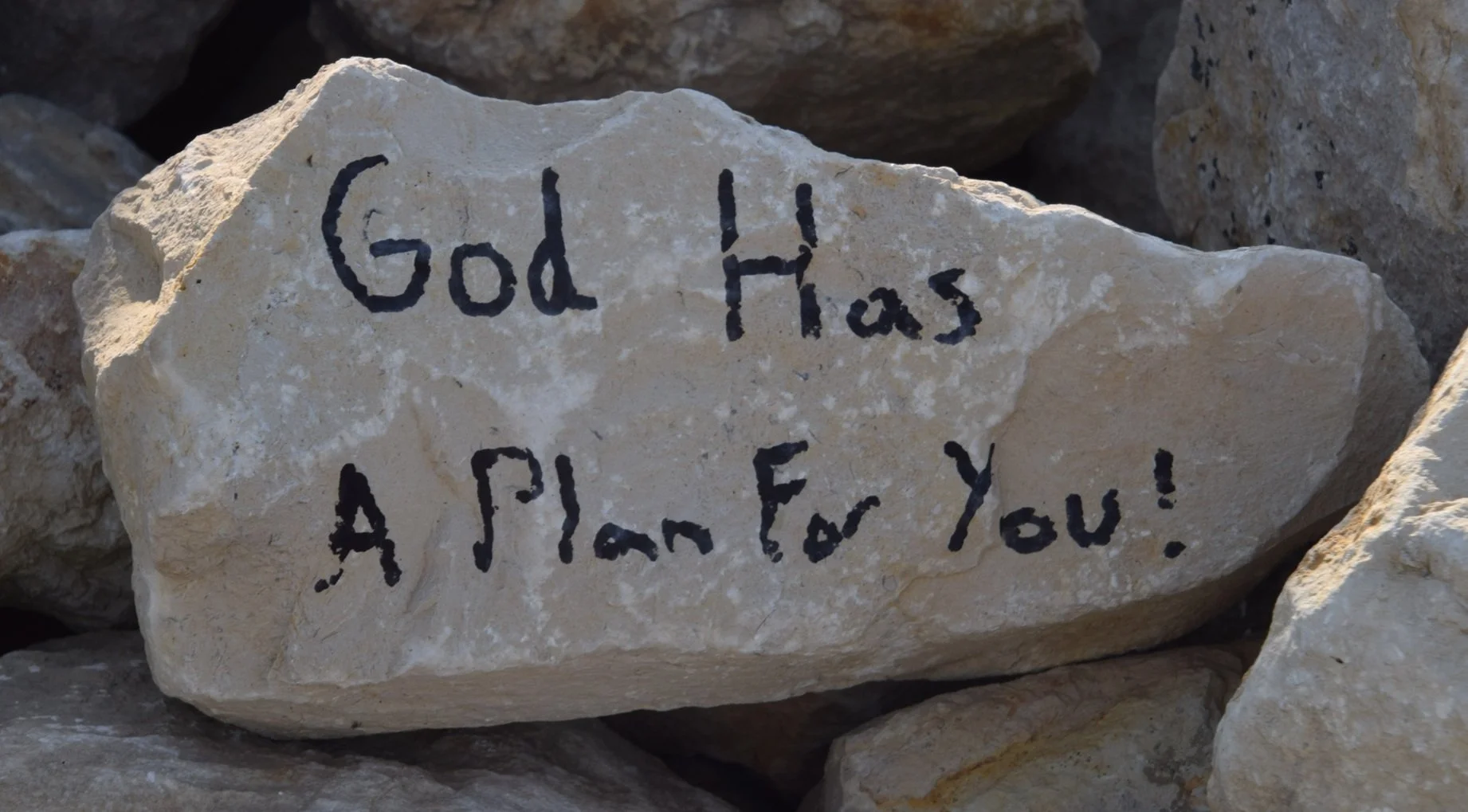
Does God Have a Plan for Your Life?
Photo by James
The idea that God has a specific plan for your life was big in evangelical circles some years back, and it is still around. I saw this painted on a rock at a roadside spot not long ago, and it made me think about it more.
I’ve long doubted that there is a highly detailed plan for each of us—the idea that there is one specific person you must marry, one specific job you must have, one specific place you must live, and so on.
It always seemed like too much control. God gave us minds and the capacity to choose, so I have tended to believe He intends for us to use them in these ordinary areas of life.
There is also no clear, objective way to measure what that supposed plan is. I’ve seen people stress out over whether God wanted them to take a certain job, and even over where God wanted them to eat lunch.
There is a real human need for order and meaning, and uncertainty is uncomfortable. Both sides of this question have strengths and weaknesses.
The view that God has a detailed individual plan can offer deep comfort: the sense that nothing is random, that suffering is not wasted, and that a wise God is guiding the details. At its best, it encourages trust. At its worst, however, it can produce anxiety, confirmation bias (“I feel peace about this, so it must be God’s will”), and even a subtle way of escaping responsibility for our own decisions. If everything is already mapped out, why wrestle hard with choices or own the consequences?
The other view—that God gives us significant freedom within broader boundaries—protects human responsibility and dignity. It frees us from the pressure of trying to decode a hidden blueprint for every decision. Yet it carries its own risk: sliding toward a kind of practical deism in which God sets the world in motion and then largely steps back. That can leave people feeling adrift or less inclined to pray, as if God is uninvolved in the particulars of daily life.
I don’t think God has a rigid, highly specific plan for most of us in the sense of predetermined spouses, careers, and addresses.
Some people are clearly called to particular tasks. For the rest of us, it seems we are given unique gifts, circumstances, and freedom—and the responsibility that comes with them. There is real freedom in that.
As it is written in 1 Thessalonians 5:16–18: “Rejoice always, pray continually, give thanks in all circumstances; for this is God’s will for you in Christ Jesus.”
It may be that simple.
Thoughts on The Border
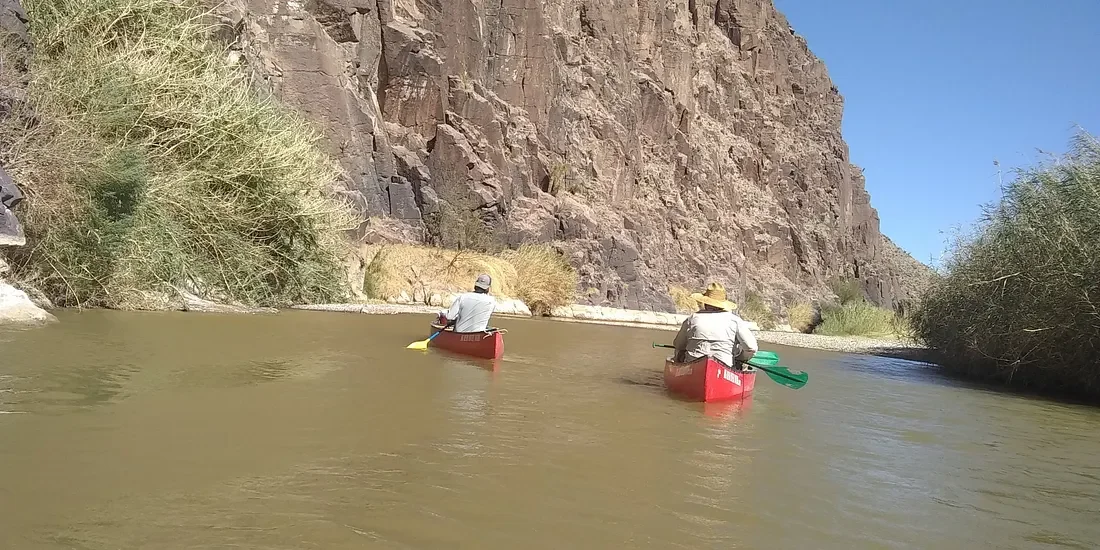
There’s lots of talk lately about construction near Big Bend National Park in Texas. It’s on the Rio Grande, which is the border with Mexico. This is a wild and remote area, with hundreds of miles of desert in either direction. There’s a Mexican National Park on the other side of the river, and it’s huge as well.
There are not many towns, and the towns that exist usually have fewer than 1000 people. There’s almost no phone signal at all, no internet, and very few people. It’s a desert. You could walk across the river, wading through the water, and reach the other side easily. Even so, hardly anyone who does not live there does that. There’s no place to go once you cross.
Immigration is a complicated issue; I’m not an open-borders person at all. But this are of desert is pristine for the most part. It should be left alone. There’s no need for any walls or fences. There are a few border patrol agents there already, and they can keep track of the few roads there just fine.
A few years ago, we went to Big Bend National Park. The vast emptiness of it struck me. I’ve been to a lot of places, and it's really counterintuitive, but it remains one of my favorite places.
I wrote several stories on Medium at that time. I’m putting them on my site, and you can access them here under the travel section.
The Mystery of God
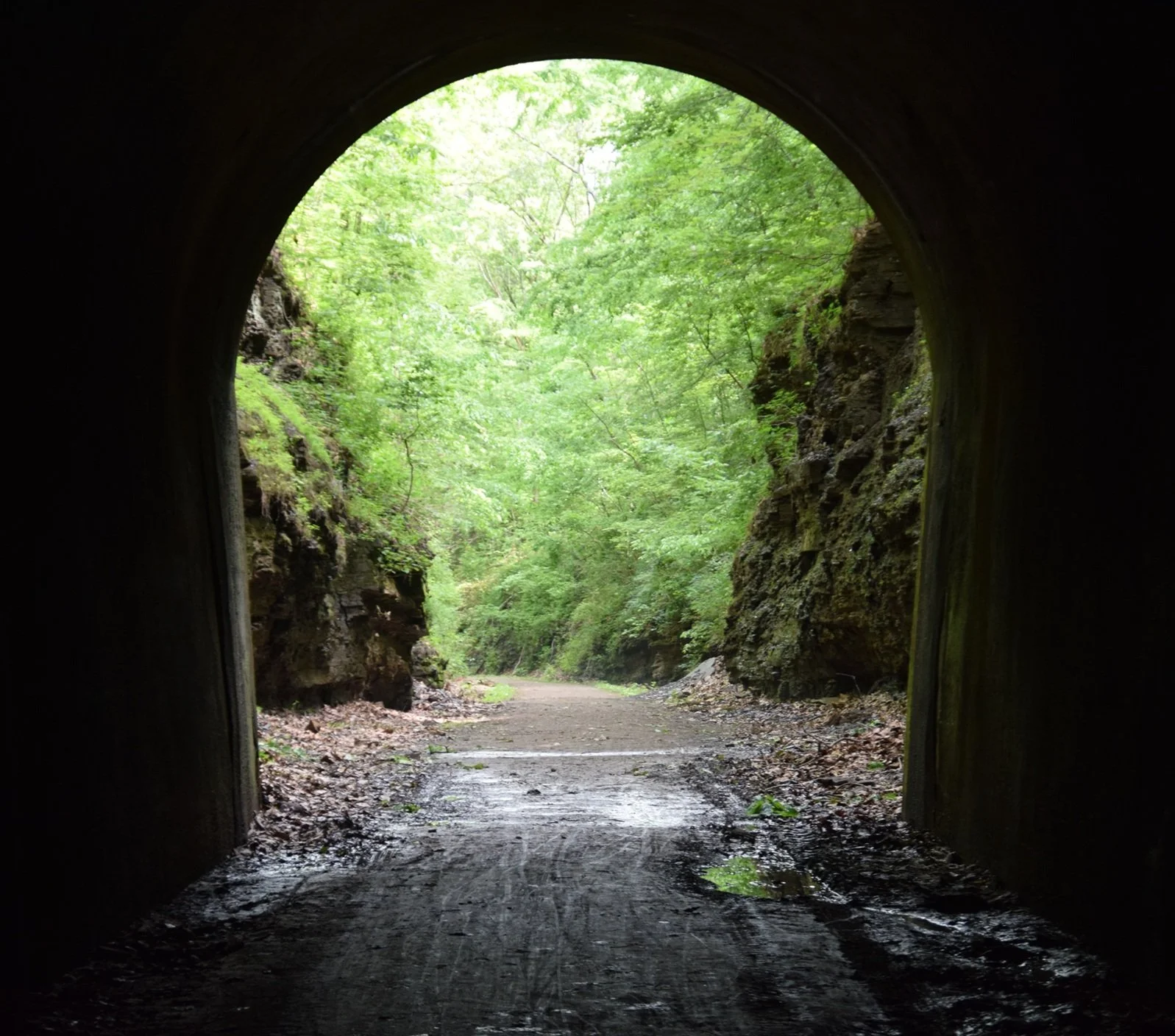
I’ve come to see that the greater problem is our constant urge to explain the unexplainable. We keep trying to map out the mind of God, and none of us really has the ability to do that.
Photo by James Jordan
It’s just human nature; we want answers to questions. We want that so bad that we try to explain the unexplainable. We keep trying to map out the mind of God, and none of us really has the ability to do that.
Sometimes atheists, or skeptics in general, come up with hard questions there is no good answer to. Christians will try to answer, but a better approach would be to embrace the mystery.
Some things are not answerable. Can God build a rock too big for God to move?
Yesterday I was writing about the difference between Bible study and spirituality. This is more about spirituality. You can read that story here.
There are things we don’t know. Why were we created in the first place? There are paradoxes, or tensions, like God building a rock too big to move. The answer is not in figuring it out. The answer is in delving into the mystery itself.
About Bible Study
I am posting more bible study stuff now. This is one of the few sections the site will have as I post more of my writing.
I wrote yesterday about the difference between biblical study and spirituality. Those differences are important. That doesn’t lessen Bible Study, even if I do concede that by itself, it won’t make you more spiritual.
I have enjoyed the more academic approach, which does give a more precise interpretation of the intended meaning. We have all seen it in study groups, or in Sunday school: a teacher will ask, “What does this verse mean to you?’ What it means to you matters, but there is still an intended meaning that the writer wanted you to understand.
Today I posted a long story about this subject. You can read it here.
It’s more just making the case. In a day or two, I will get to the how to go about bible study more.
Bible Study vs. Spirituality
I have a section on this site for spirituality, and another one for biblical studies. I do see those as separate things, and I’m seeing that even more clearly recently.
Biblical studies are important, but they are still the study of a book. It is a spiritual exercise, but knowledge doesn’t make you more spiritual. Paul says knowledge puffs up, but love edifies. Knowledge can lead to pride and even arrogance. Spirituality smooths out that edge.
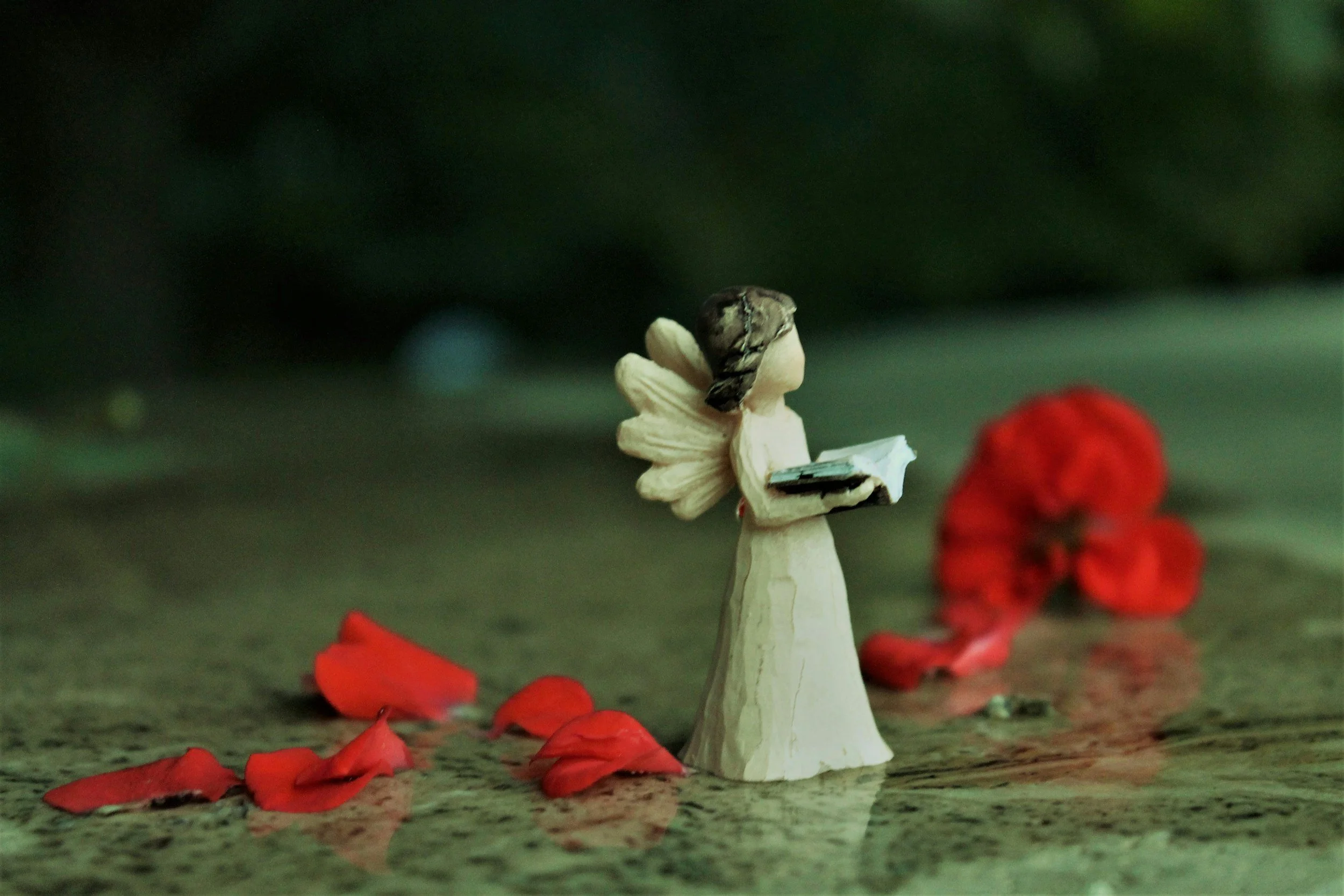
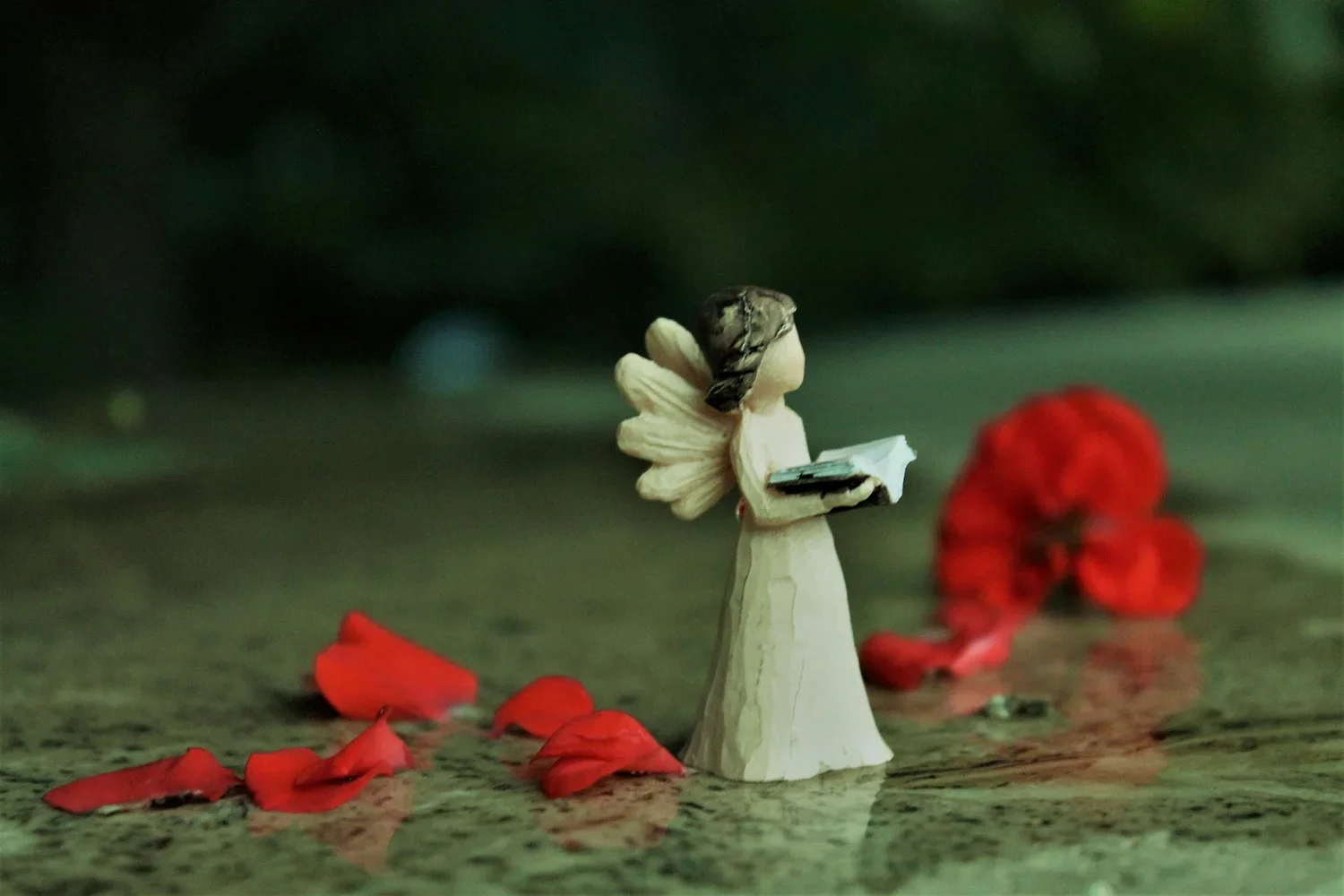
The written words are still spiritual in nature. Photo from Unsplash
Here is why I am separating the two things
I have a section on this site for spirituality, and another one for biblical studies. I do see those as separate things, and I’m seeing that even more clearly recently.
Biblical studies are important, but they are still the study of a book. It is a spiritual exercise, but knowledge doesn’t make you more spiritual. Paul says knowledge puffs up, but love edifies. Knowledge can lead to pride and even arrogance. Spirituality smooths out that edge.
Biblical studies are more objective. There’s a long history of interpretation, translation, and even the development of theology itself. There are plenty of tools out there to help with biblical studies. It’s good to know when it was written, what the times were like, and how the original audience would have taken it. While truth is timeless, it was not written in our culture, and trying to understand it in light of our modern culture only misses much of the message. I’ll have a lot more on that in the biblical studies section of this site at some point.
Spirituality is actually living in the world. It is experiential knowledge. It involves things like prayer, knowing yourself, and relating to other people. It’s very subjective. When it comes to biblical studies, it’s easier to measure truth and reality.
When it comes to spirituality, it’s a lot messier, a lot more foggy. I’ll be writing about my own spiritual life and development. It’s not something that you just attain, and that’s the end of the story.
It’s like driving a car. You can drive fine without knowing how the transmission or engine works. You can also understand how engines and transmissions work, and still be a terrible driver.
When I write about biblical studies, I’ll be writing more from an academic perspective. When I write about spirituality, I’ll be writing more from a lived perspective.
There is a danger in both extremes. You could make the Bible into an idol, where it actually replaces God. The written words become all there is, and then you have to make your world fit in that box. I don’t think the writers of the Bible ever intended it to be taken that way. If you think it’s a rule book, you haven’t read it closely enough.
You can go too far the other way too.
If you take your spirituality and only go with your experience and internal knowledge, you can easily be led down some pretty bad paths. You still need the Bible as the anchor.
While they are separate, they come back together nicely.
The spiritual experience is measured against the Bible, and they should line up. If they don’t, then something is wrong, and you need to think it through more.
There is still disagreement at times over what the Bible means, or what it even says. There are also arguments over spiritual things. Paul says in Romans 14, “Let everyone be convinced in his own mind.” This is the journey, though, and you’re welcome to come along and comment as you like.

Journalism and ADHD

Photo from Unsplash
When I started in the newspaper business, I had never heard of ADHD. No one I knew had heard of it either. It doesn’t care if you’ve heard of it or not; it still rages when it wants to. I had a well-earned reputation of being a little flaky, a little out there. I worked hard, but there were days when strange things would happen.
I might disappear for a few days, and not really understand why people were upset. You can get away with that in college, but not in the real working world.
In my first year out of school, I burned through three jobs at three newspapers in Tennessee. I don’t think ADHD was the real issue there.
I wrote a story about that, and you can read it here.
It did cause me a lot of issues early on in my career. Later on, I figured out how to harness it a little better. ADHD and journalism actually go together pretty well once you get them lined up right. The chaos of a newsroom is good for me. Some people get stressed in that environment, but to me it was always calming. I could relax and be chaotic right along with the natural chaos that was there.
ADHD was a big elephant in the room for me for many years. I didn’t know what it was, but I knew it was there. Once I learned a little more about it, I was able to tame the elephant and learn how to ride it.
I think that can happen a lot with ADHD. There is growing psychological studies showing it is not an illness at all, or a bad condition at all. It is just a different way of seeing the world, a different wiring.
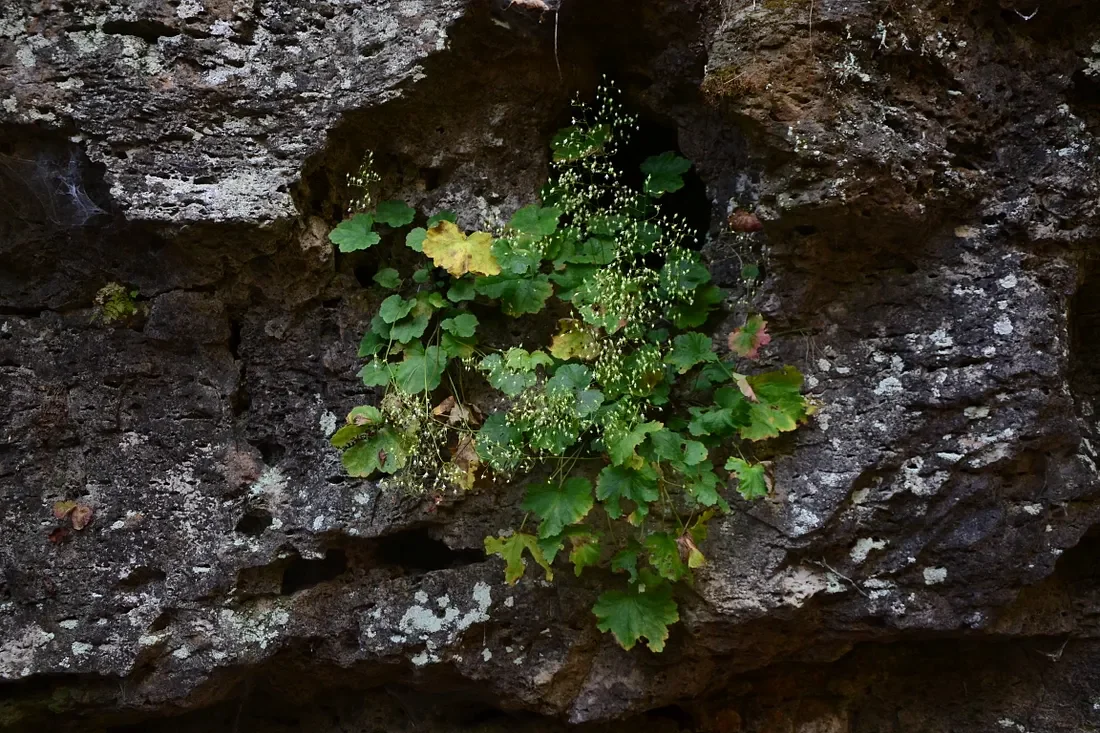
Exploring a State Park
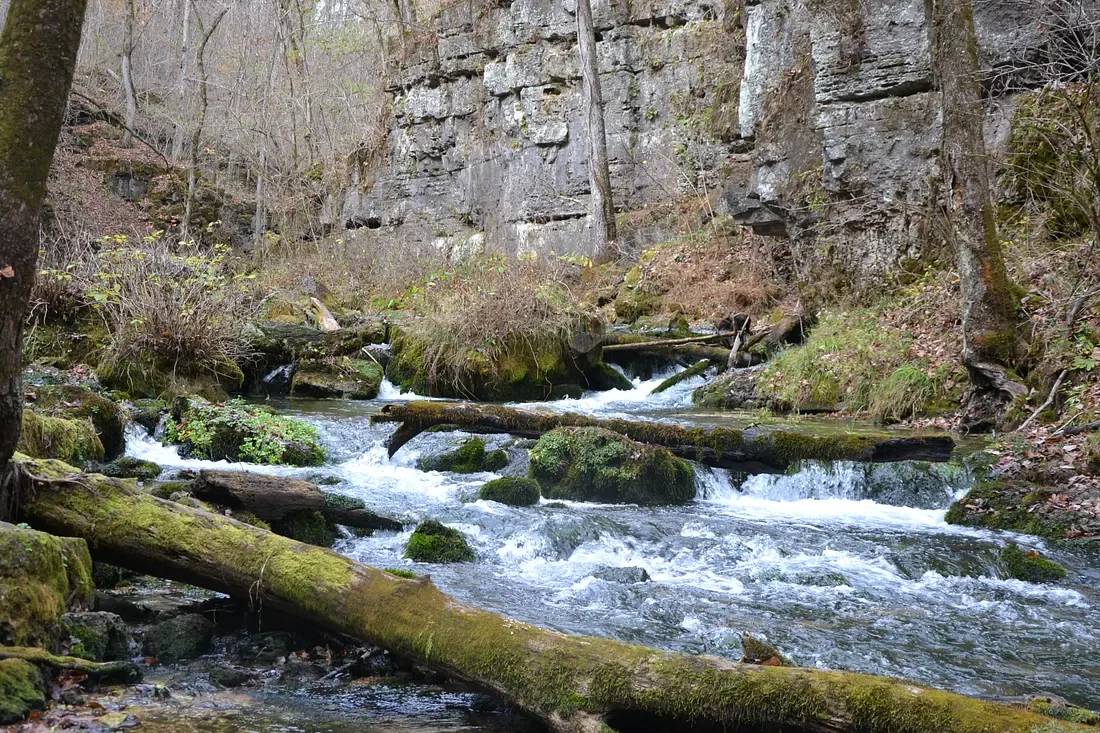
The climb down made the climb back up worth the trip
Last fall I was hiking around a state park in Missouri. The area was still green and teeming with life.
The trail down to a waterfall was about a mile and treacherous. I’ve been disappointed before on these trips to waterfalls. I had to work around and over boulders as I descended into the forest. I thought this had better be worth it. I laughed at the idea of such arrogance. What am I going to do about it, right?
Sometimes, at this time of year, streams dry up, and there is only a trickle where a waterfall should be.
Even after getting to the bottom, I had to balance on rocks and walk up the middle of the stream to see the best part of the stream. I was happy I had my walking sticks. Getting wet would make the steep climb back even more difficult.
I was pleasantly surprised when I reached the stream at the bottom. It was running strong. It was not exactly what I pictured as a waterfall, but it was a rushing stream in the wilderness and was spectacular. Moss covered most of the rocks, creating a green wonderland.
I sat by the stream for some time, soaking in the majesty of it all. The sound of the water drowned out any other thoughts I could have had.
I refilled my water bottle with the spring water and took a long drink. It’s probably more pure than what I started with that day. I washed my face with the spring water as well.
In many ways, going down a steep incline is harder than going up. While going down, you have to pay more attention to where you step, or what you grab hold of for balance. The trip down had been just steep enough that you had to pay a lot of attention.
Soon I would start the journey back to the top.
The scene filled my senses. I felt the power and presence of God. I was renewed.
The climb back up seemed almost effortless.
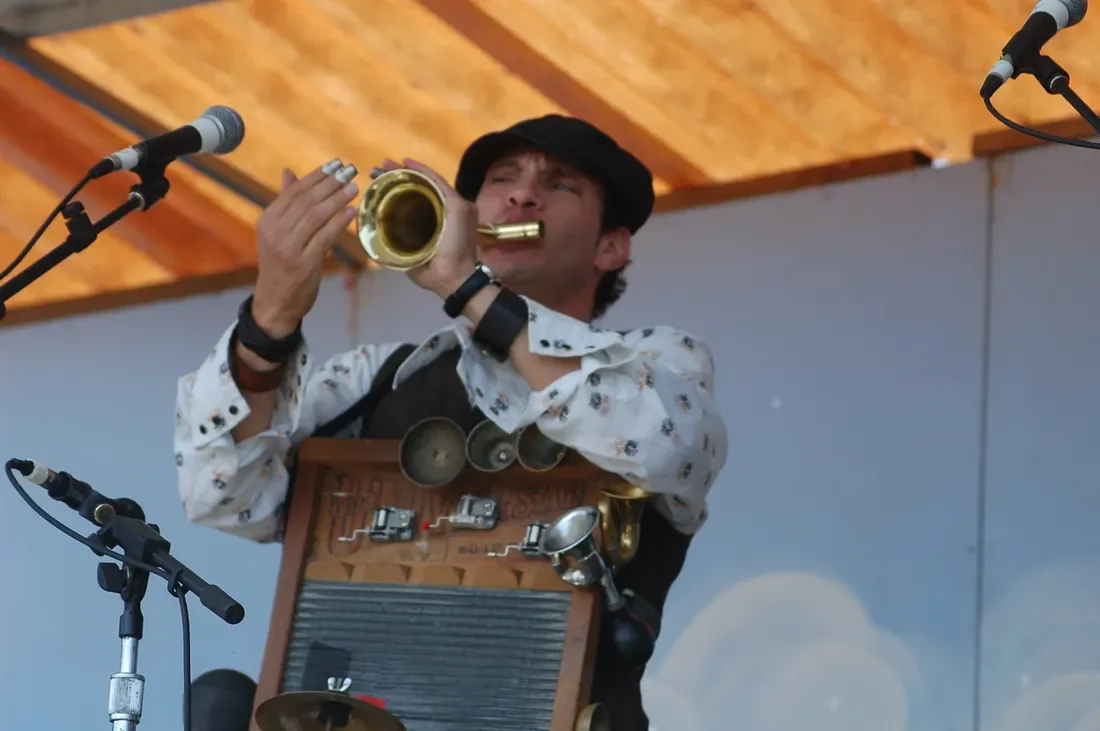
Post-event blues: the crash after the high
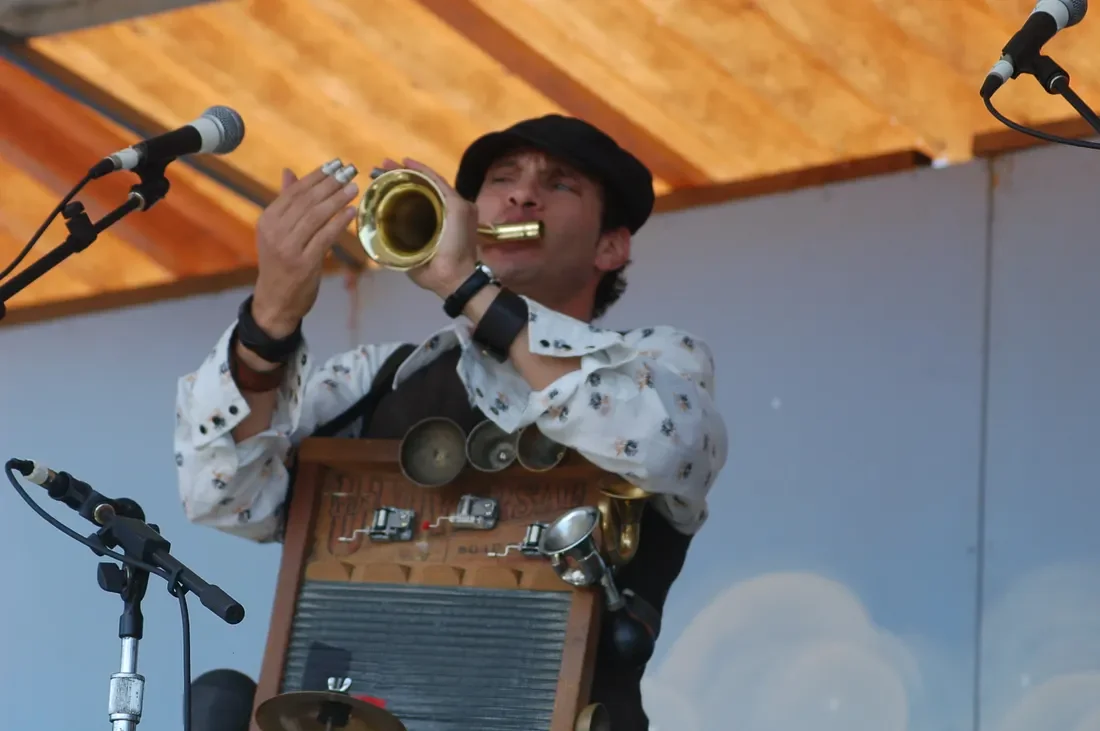
I have written a lot about mental fog and depression lately. There’s a good reason. It’s about my real state of mind at present. I’m just staying on topic, so to speak.
It’s always been curious to me how there is a letdown after a big event. The anticipation of something is always fun, exciting even. You keep building toward something, an experience or goal or whatever. Then after it happens, the bottom seems to fall out.
What happens is mostly chemical in the brain. After the event, you just run out of feel-good chemicals, and you feel down because the tank is empty.
I felt that pretty strongly when I participated in little theater. I do like acting. I did not like the long, endless practices, but what I hated most was the letdown. You build toward this performance, and then you do it a couple of times and - you are done. No. That’s just too intense for me. You have this new knowledge of how to do a production that you worked toward, got the high of doing it, and then nothing. That was the most intense post-event letdown I ever felt, and I did not want to feel that again.
I felt something of that after the Walnut Valley Bluegrass Festival in Winfield. It was particularly bad a couple of years ago. I wrote a story about that shortly after it happened. Here is that story.
How Natural Chemicals Work in Your Brain
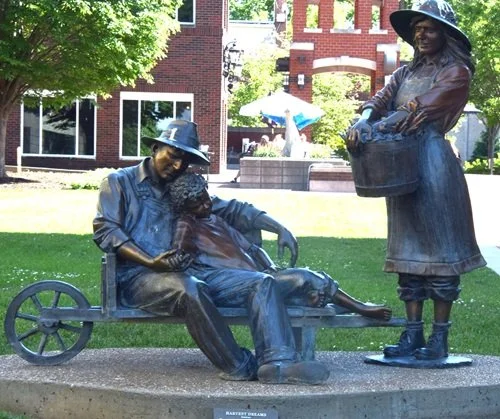
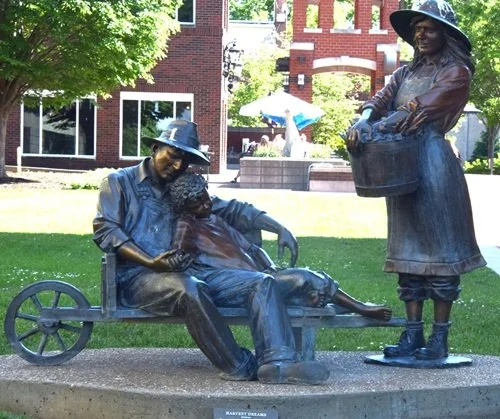
Statues in Owensboro, Ky seemed to fit somehow.
I thought dopamine was the chemical in the brain that makes you feel good. I found out that it is the chemical that makes you want to do things instead. Dopamine drives wanting—the urge to chase, start, and pursue. The actual sensation of pleasure, the warm “this feels good right now,” comes mainly from your body’s own opioids: endorphins and related peptides.
These natural chemicals bind to the same receptors that morphine, oxycodone, and fentanyl target. This is probably why drugs are so appealing to a lot of people. That shared pathway is why prescription and illicit opioids feel so powerful—and why the opioid crisis has been so devastating. The drugs flood the system far beyond what the body produces on its own, creating intense pleasure followed by tolerance, dependence, and risk of overdose.
The good news is that you can safely and legally raise your own endorphin levels. Sustained or intense exercise is one of the most reliable methods; the so-called runner’s high involves real opioid release (along with endocannabinoids). Social laughter has been shown in brain imaging studies to trigger endogenous opioids. Acupuncture, sex, music, singing, spicy food, and affectionate touch also help.
Understanding the difference between wanting and liking changes how you approach both motivation and well-being. You don’t need to chase artificial highs. You can support the chemistry that already exists—through movement, connection, and simple daily habits—and feel the difference without the crash.
The Spirit of Place: Peru and Argentina
My trip finished in Lima, Peru. I loved that city. It has 10 million people, but it didn’t feel like a big city the way Buenos Aires did. The biggest thing I noticed was the difference between how Buenos Aires and Lima felt.
I loved Buenos Aires, and the city let me admire its charm all I wanted. I loved Lima too; it has its own charm, but it felt like Lima loved me back or at least gave me a small hug. Buenos Aires was the sexy woman, not minding you looking at her. Lima was the very pretty girl smiling because you were looking.
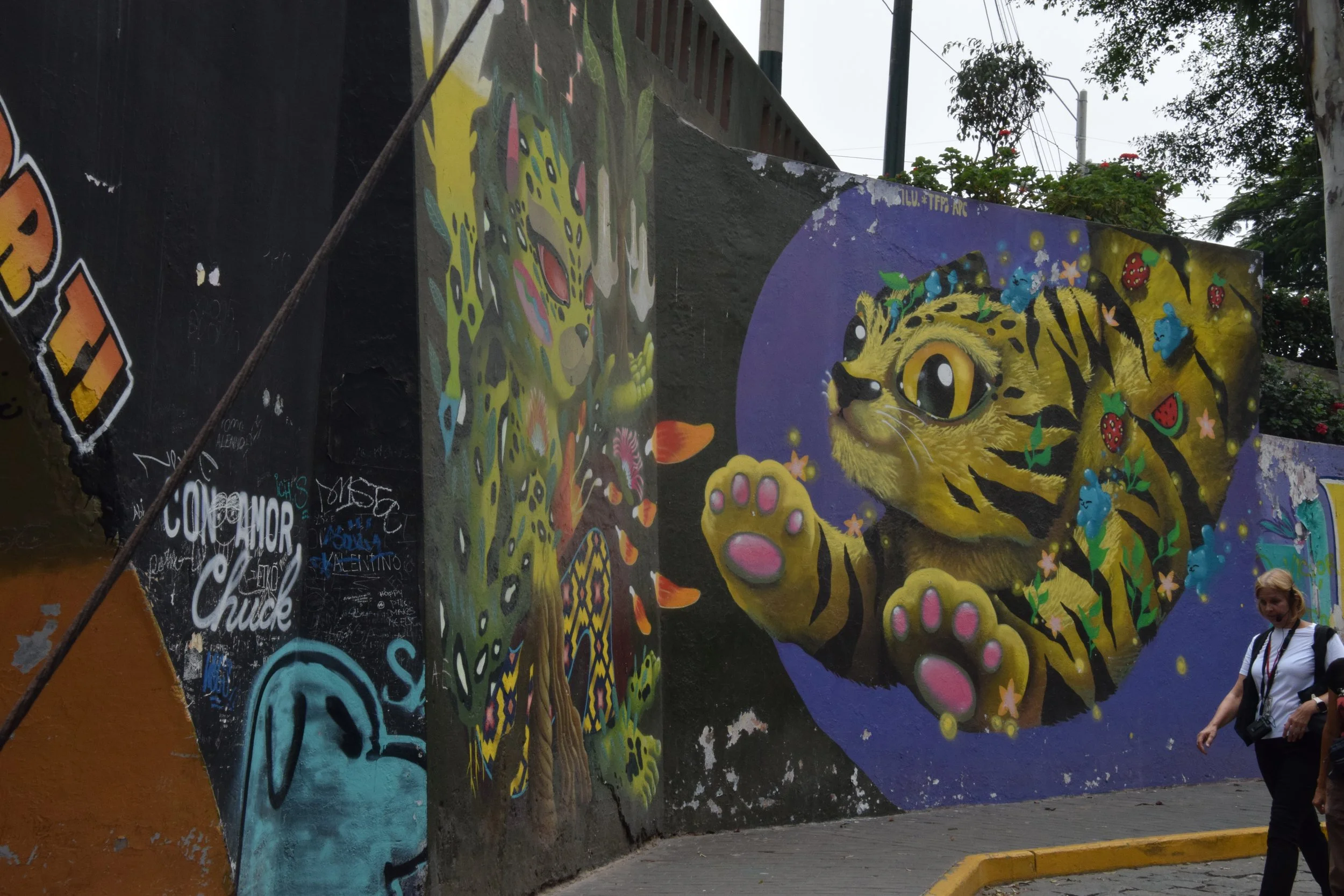
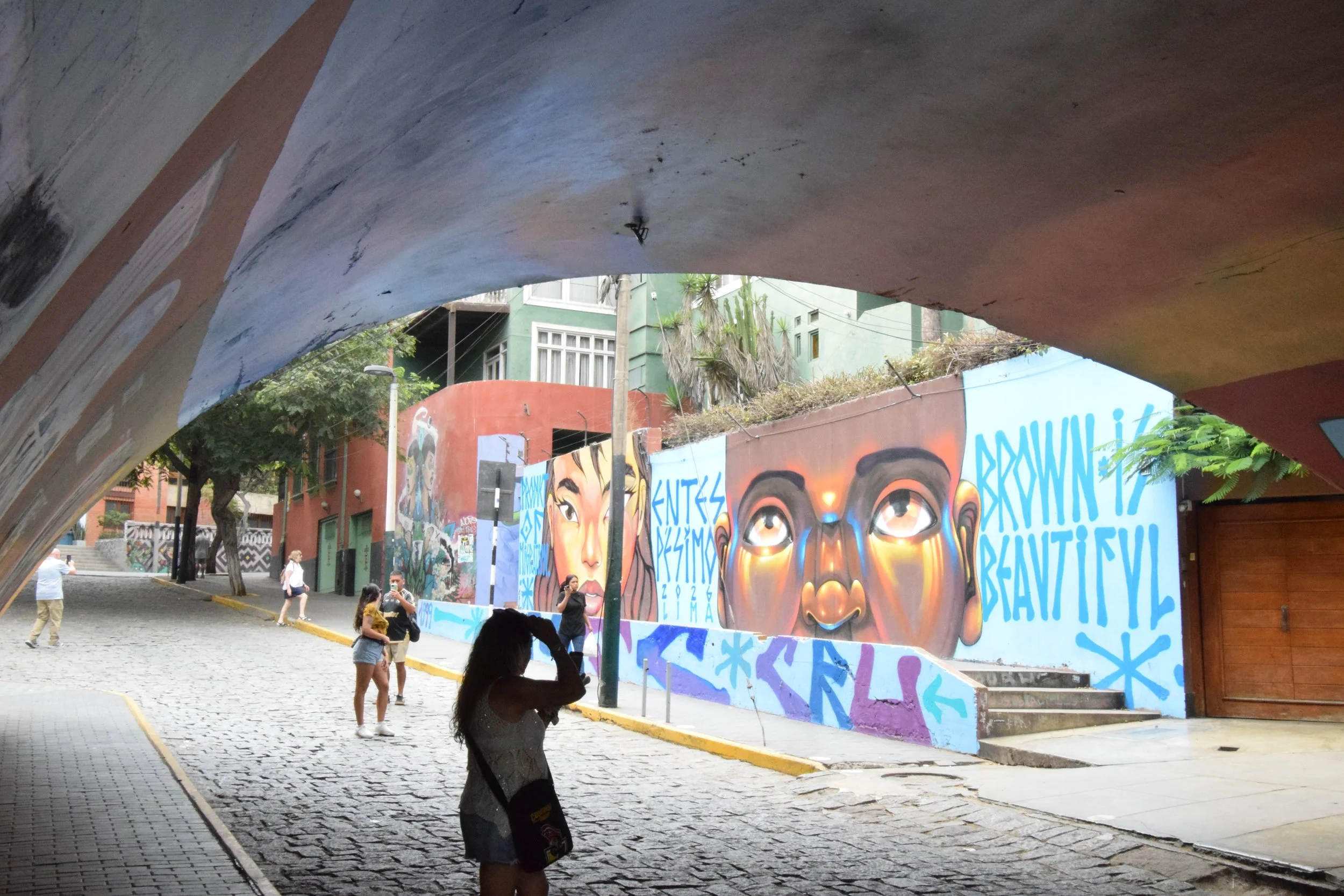
In Lima, a wall along a sidewalk is a great place for an artist to make a statement.
Last spring in South America, two countries taught me that place has a personality.
Argentina moved with a precise, almost European efficiency—grand, polished, and slightly reserved. Peru felt warmer, more colorful, and quietly generous, as if the country itself was glad you’d come.
I went for Patagonia’s glaciers and trails, but it was Peru that surprised me most.
I started in Buenos Aires, Argentina, but hundreds of miles from Patagonia. The city is called the Paris of South America, and it seems right. There are grand buildings with classic architecture. There are large parks and public areas that are beautiful and functional. People are out all hours of the day and night.
I was only there for a couple of days, but I felt that bright urban spirit right away. It’s a serious city that demands to be taken seriously—but it also rewards you when you do so.
There’s a European efficiency that seems to go against the usual laid-back Latin stereotype.
There is an openness, but it’s an openness to their structured system.
I stayed in Buenos Aires for two nights before my tour began. On the day I was to join the tour, I had to check out of my room, join my tour group, and check in again with the group: same hotel but a different room. Orderly, but I had to pack up and unpack again anyway. That night at an Argentine steakhouse, they brought me a liter bottle of beer. I asked if they had a smaller bottle. The waiter said no, as though it was a silly question I should not be asking.
In both instances, the system was clear and precise. They were helpful, friendly even, but there wasn’t much room to wiggle.
Patagonia was much the same. That is a very remote area, but the same spirit was there. There was a no-nonsense system in place that worked. I had no complaints, but I was always on the outside looking in.
Peru was different from the start.
I was in my hotel room for two days before the Peru part of the tour started. I asked if I would have to check out and back in. The person at the desk shrugged, “No, no you don’t have to do that,” he said. “We will take care of it.” They did take care of it, and it was that simple. I joined the tour group and stayed in the same room.
Things like that felt more normal in Peru. There was a warmth added to the efficiency that wasn’t there in Argentina.
At times it didn’t look efficient, but it still was. One time, we had to pack a few things into a small bag for a one-night stay, and then we went to another hotel. That’s a train wreck waiting to happen, but it didn’t. When we got to the next hotel the next day, we were already checked in, and our bags were waiting in our rooms.
It wasn’t a production, no formalities, just a quiet, friendly competence.
Peru was also more colorful. There were more murals, more decorated things. Argentina was beautiful, but in a more formal, historical way. Argentina felt a little more sophisticated, but Peru was friendlier and warmer.
All big cities have their street musicians. Buenos Aires had its share, and they put on performances worth stopping for. But I won't forget the older man in Lima playing a pan flute, strumming a guitar, and singing all at the same time. When I dropped a sol into his hat, he looked up, smiled, and gave me a little nod. It was a tiny gesture, but somehow it felt perfectly Peruvian.
My trip finished in Lima, Peru. I loved that city. It has 10 million people, but it didn’t feel like a big city the way Buenos Aires did. The biggest thing I noticed was the difference between how Buenos Aires and Lima felt.
I loved Buenos Aires, and the city let me admire its charm all I wanted. I loved Lima too; it has its own charm, but it felt like Lima loved me back or at least gave me a small hug. Buenos Aires was the sexy woman, not minding you looking at her. Lima was the very pretty girl smiling because you were looking.
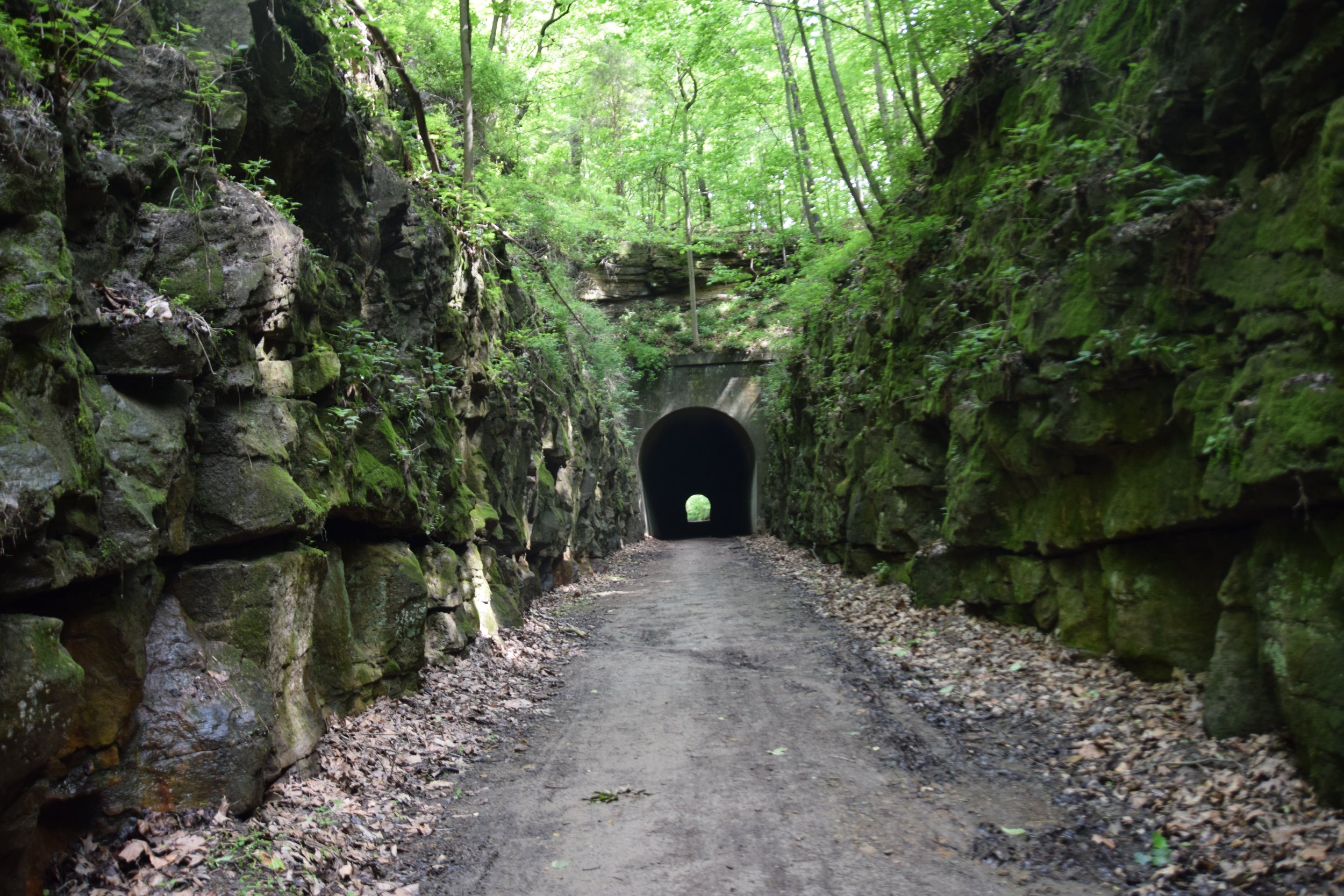
The Fog is Still There
I find myself staring at the keyboard. It stares back. Neither of us is saying anything. You can’t always say what it is - heat, depression, adhd - but it is something, and maybe it’s all three to some degree.
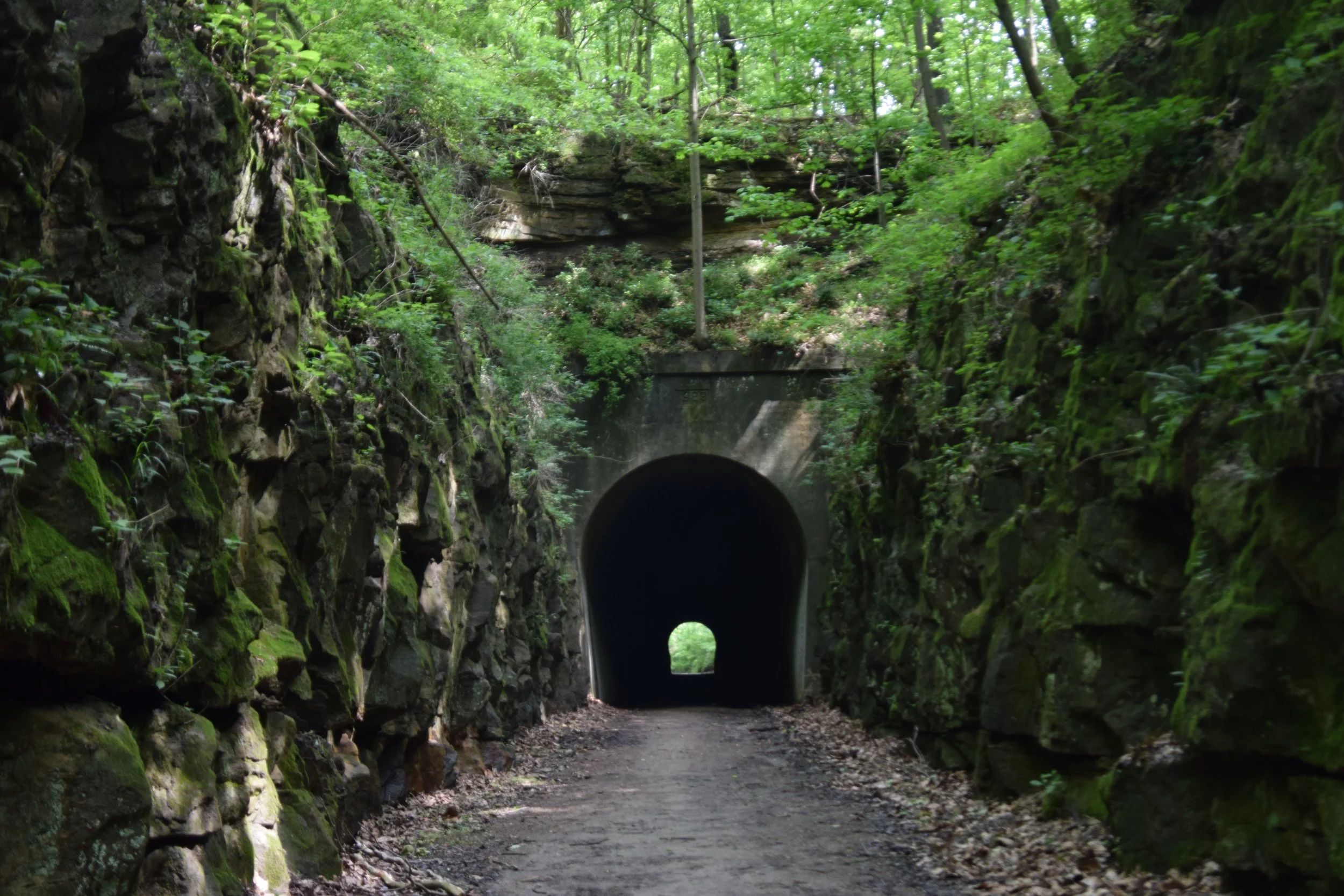
Photo by James Jordan
It’s no accident that I’ve been posting a lot of ADHD and mental health stuff lately. It could be the summer heat, but I am feeling a lot of that fog lately. Nothing is wrong, but nothing is right either. I find myself staring at the keyboard. It stares back. Neither of us is saying anything.
You can’t always say what it is - heat, depression, adhd - but it is something, and maybe it’s all three to some degree.
There’s also not much point in trying to nail it down either. That won’t make the fog go away.
I am hoping to get more stuff up on the site soon, and to get back to writing.
I am my own enemy

Photo by Tim Gow on Unsplash
I Am My Own Worst Enemy
I find myself not doing the things I want to do. I know the things that would please me and make me happy. Then I feel depressed because I don’t feel good.
I know exactly what a good day looks like.
I know what I should do.
There’s nothing physically stopping me. The only real obstacle is me.
This is the cruel loop of depression and ADHD: I have the knowledge, but I lack the motivation or executive function to act. So I sit there staring at the wall, doing nothing, while feeling worse and worse about it.
I’m sure I’m not the only one who does this.
We know what would help — going for a walk, creating something, exercising, reaching out to someone — yet we stay stuck.
This feeling is exactly what I wrote about in my longer piece, Riding out a bad ADHD Day.
Some days the gap between knowing what to do and actually doing it feels impossible to cross.
Does anyone else struggle with this?
What finally helps you break the cycle on those days when you’re your own biggest obstacle?

ADHD Fog Rolled in Last Night
One of the more frustrating things about depression and ADHD is the fog that can come out of nowhere and stop everything. I had a fairly productive day yesterday, but then the bottom fell out late.

This is what adhd fog looks like. Photo my own
One of the more frustrating things about depression and ADHD is the fog that can come out of nowhere and stop everything. I had a fairly productive day yesterday, but then the bottom fell out late.
I went for a long walk early on, and then to the gym late in the afternoon for a more strenuous workout. I got some writing done and generally thought I was having a good day. After supper, I was thinking about what I wanted to do the rest of the evening. Often I go for another walk, but I thought I didn’t need to after already having four miles in for the day. I thought about playing music, maybe more writing or working with some photos.
While I was considering what to do, I happened to open social media. I started scrolling mindlessly, and next thing I know it’s 11 p.m., and the evening was gone. I was not having a good time. It was miserable, but I couldn’t break the grip it had on me. I could have done anything I wanted to do, but I was doing nothing that I wanted to do.
That little stretch of indecision might be what lets the fog in. When the brain is already working harder than most to manage attention and follow-through, even a few open choices can tip it over. The system that should help you decide and start just slows down, and everything gets cloudy.
This morning the fog is still around, but thinner. I’m moving through it the same way I do most days—one small thing at a time.
Traveling … Just Because
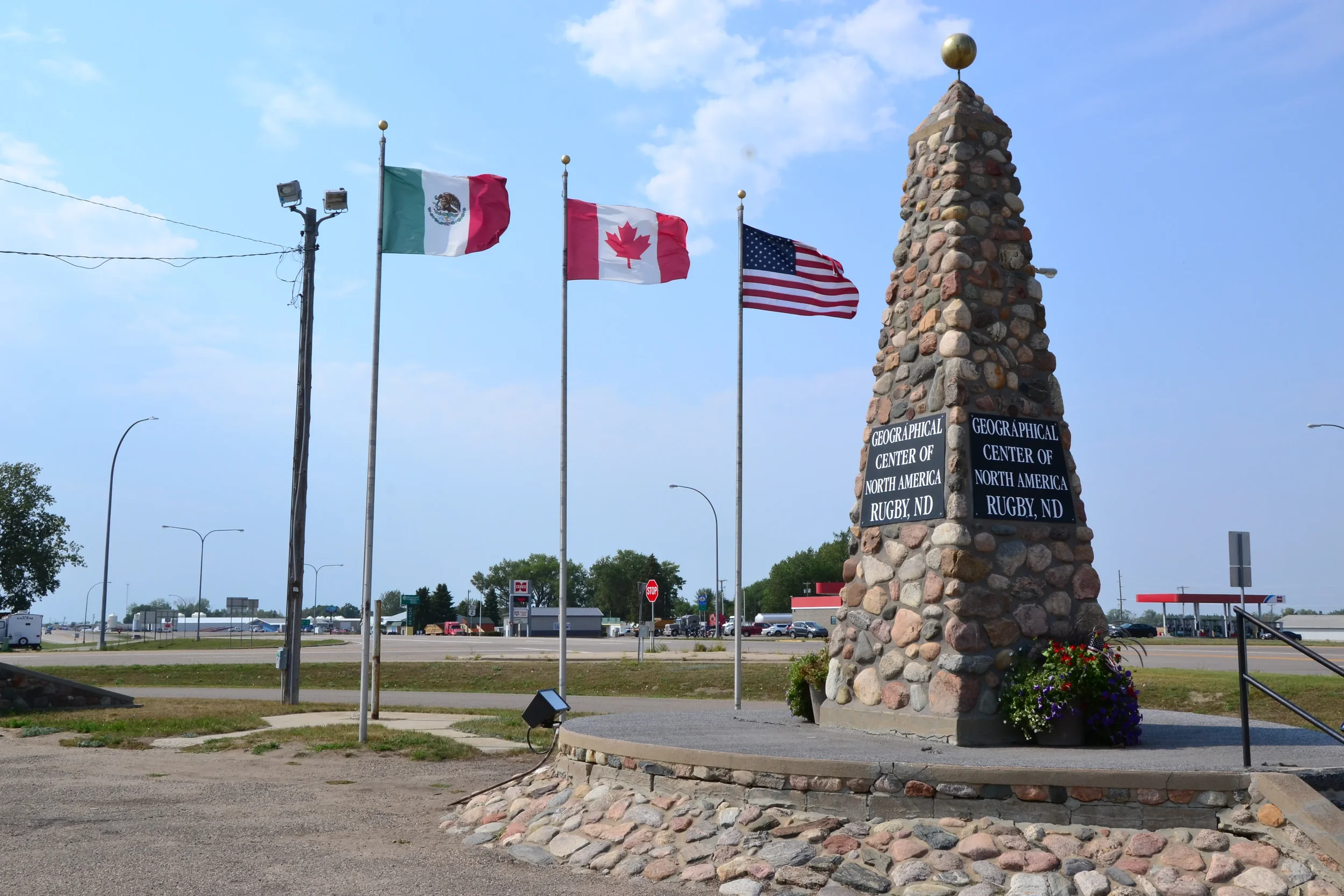
The thing I love about traveling is finding interesting things you were not expecting. I do like major tourist things at times, but the real treasures are found on back roads in remote places.
There was magic as promised in the Utah national parks. It was also there at Great Bend National Park in Texas. Both were just as spectacular as advertised.
I also like hitting the back roads and just seeing what is there. I don’t know what my motivation was for wanting to explore the Dakotas - both of them, both north and south. We did, though, take a couple of weeks pulling a camper across both states in the middle of the summer. Now I’ll be the first to admit the scenery was less than awesome. But it was the real America, and that is the best kind of traveling for me.
We found the small town of Rugby, North Dakota, and it claims to be the geographical center of the North American continent. There is a bit of controversy there too. Of course, I read the marker and did my own research.