How Natural Chemicals Work in Your Brain
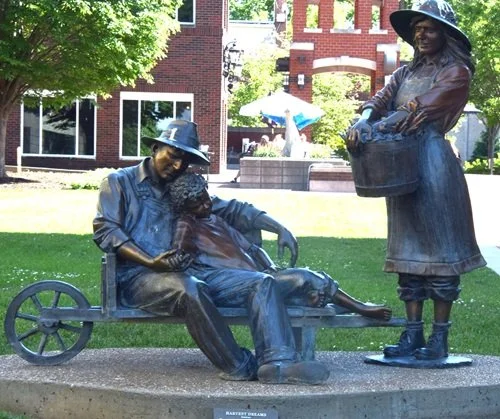
Statues in Owensboro, Ky seemed to fit somehow.
I thought dopamine was the chemical in the brain that makes you feel good. I found out that it is the chemical that makes you want to do things instead. Dopamine drives wanting—the urge to chase, start, and pursue. The actual sensation of pleasure, the warm “this feels good right now,” comes mainly from your body’s own opioids: endorphins and related peptides.
These natural chemicals bind to the same receptors that morphine, oxycodone, and fentanyl target. This is probably why drugs are so appealing to a lot of people. That shared pathway is why prescription and illicit opioids feel so powerful—and why the opioid crisis has been so devastating. The drugs flood the system far beyond what the body produces on its own, creating intense pleasure followed by tolerance, dependence, and risk of overdose.
The good news is that you can safely and legally raise your own endorphin levels. Sustained or intense exercise is one of the most reliable methods; the so-called runner’s high involves real opioid release (along with endocannabinoids). Social laughter has been shown in brain imaging studies to trigger endogenous opioids. Acupuncture, sex, music, singing, spicy food, and affectionate touch also help.
Understanding the difference between wanting and liking changes how you approach both motivation and well-being. You don’t need to chase artificial highs. You can support the chemistry that already exists—through movement, connection, and simple daily habits—and feel the difference without the crash.
