Mysterious South American Mutts
What makes them so much different than our dogs?
I was sitting with our guide and a few fellow travelers in Lima, sipping cold beers after a long day on the trail. It seemed like an innocent question to me.
“So… who do all these dogs actually belong to?”
Our guide looked at me like I’d asked why water is wet. He shrugged.
“Some of them have owners… maybe?”
Then he told us about his neighbor’s dog — a scruffy, medium-sized mutt with one floppy ear. Every so often, this dog shows up at his door, scratching and whining. “I let him in and give him something to eat,” he said, completely matter-of-fact.
I joked, “So the dog is basically choosing where he wants to eat that night, just like we do?”
The guide grinned and replied, “Yeah… probably,” as if that should have been obvious too.
To South Americans, the whole situation was so normal that it was almost impossible for them to explain. They genuinely struggled to understand why I was even asking the question. It was like trying to explain air to a fish.
That one casual exchange clicked everything into place for me.
A Different Kind of Dog
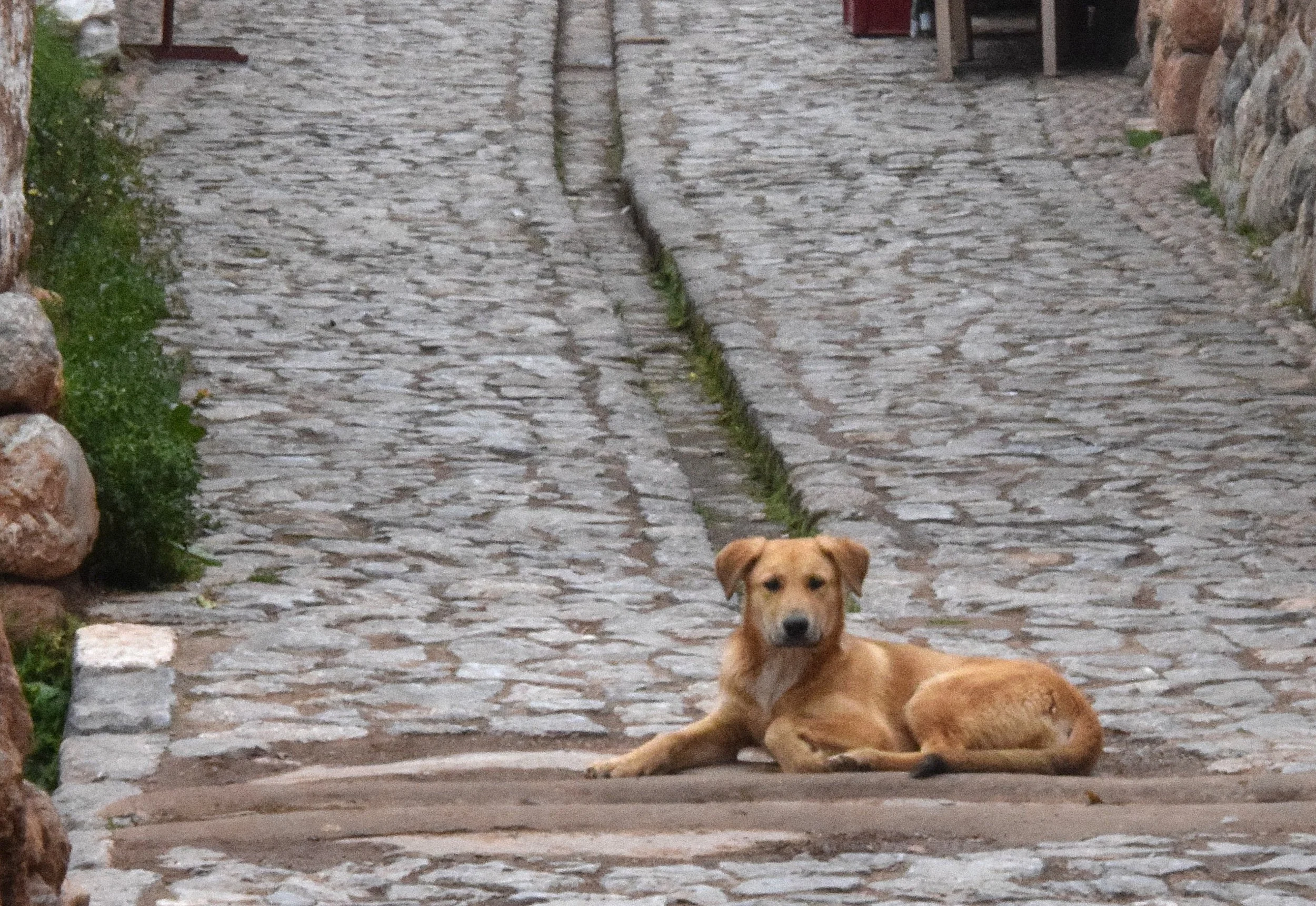
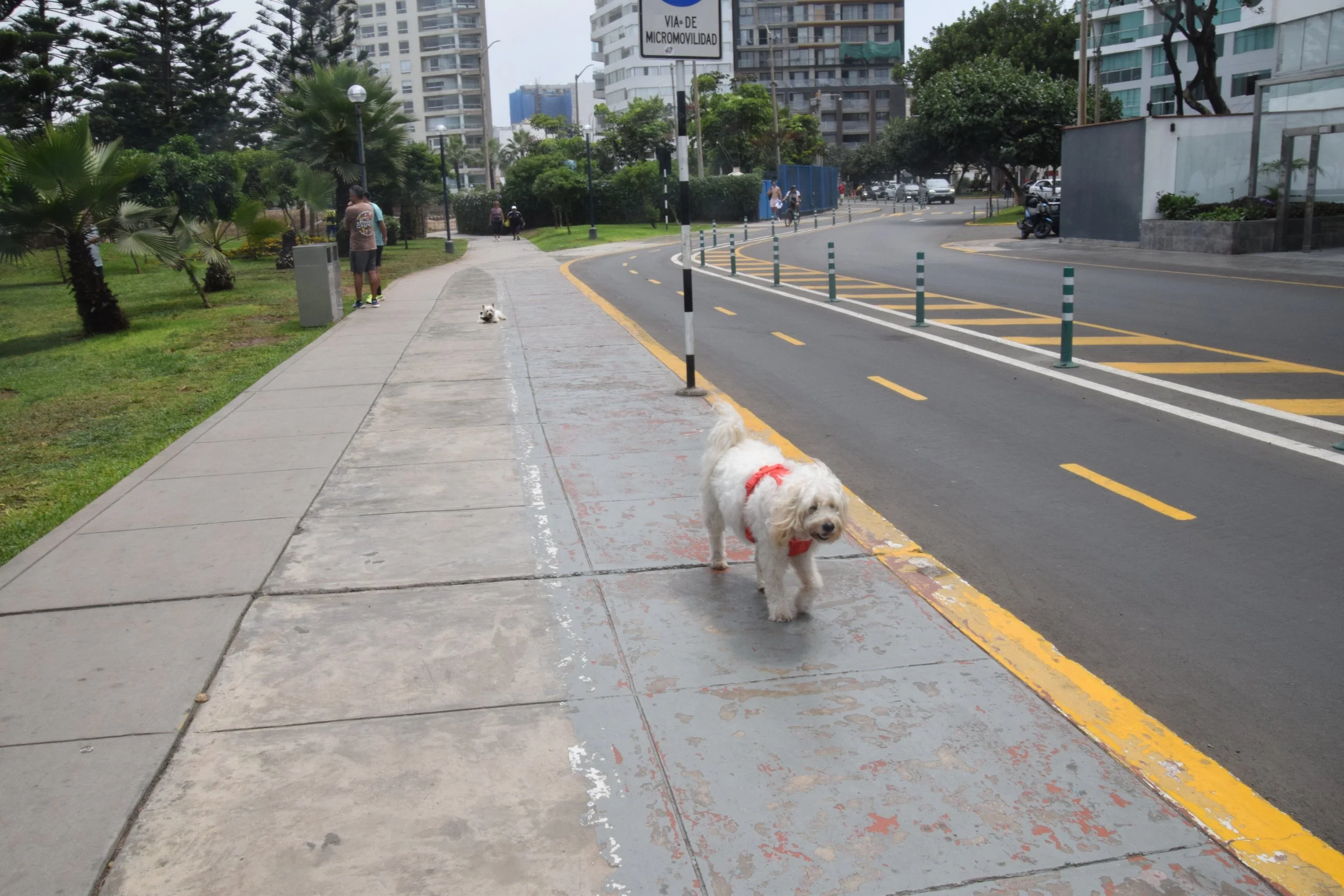
I noticed it on my very first day in Buenos Aires. I stepped out of the hotel and immediately saw them — confident, streetwise dogs of every shape and size. Some were sleek and well-groomed, trotting beside their owners with perfect heel position and no leash. Others looked like classic mutts: wiry coats, battle-scarred ears, moving through the city like they had important business to attend to.
But even with dogs everywhere, not a single one seemed to notice me or anyone else.
Press enter or click to view image in full size
An older dog, streetwise and careful along the stony streets.
Back home in Kansas, if a loose dog walks toward me, I feel that little spike of anxiety — Friendly? Sketchy? About to jump? In Buenos Aires, the dogs barely registered my existence. They walked around me, past me, or right beside me as though I were just another moving piece of the urban landscape. No sniffing, no tail wag, no drama. Just calm indifference.
Some dogs were clearly on their own, scavenging scraps near outdoor cafés or napping in patches of shade. Others wore collars but still wandered freely. And then there were the magic ones — dogs that walked perfectly at their person’s side with no leash, no invisible fence, nothing. I actually wondered if they had some secret high-tech collar. Turns out, no. Many porteños raise incredibly well-mannered dogs.
The street intelligence was next-level. I watched dogs walk up to a corner, pause, look both ways, and cross when it was clear. One afternoon, I saw a dog casually join a group of strangers waiting at a light. When the group stepped off the curb, so did he — using random people as his personal crossing guards. It was impressive… and a little humbling.
This is even more impressive when you realize many drivers see rules of the road as mere suggestions — not requirements. It can be tough for a human to navigate the streets.
The Wild Side in Patagonia
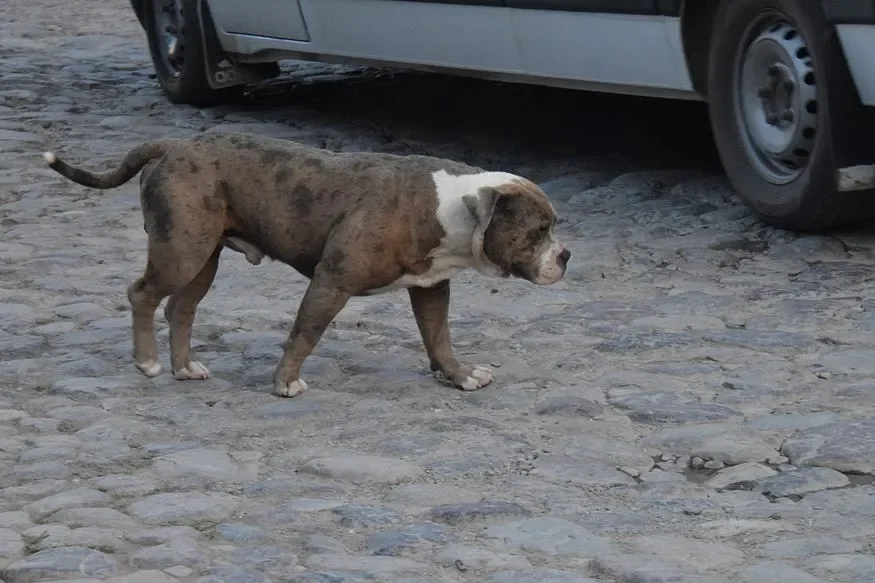
In Patagonia, the dogs felt a bit wilder. In El Calafate, I saw a pack of five dogs explode into chaos, chasing a female in heat through the streets. It was the only time I heard a lot of barking. Even in full frenzy mode, they still dodged cars like professionals. One moment raw instinct, the next moment street-smart calm. The female seemed to have made her choice, and the other dogs dispersed.
There were also the pregnant ones — big-bellied females strolling around like it was no big deal. I saw very few puppies, though. Nature takes care of population control the hard way here.
Press enter or click to view image in full size
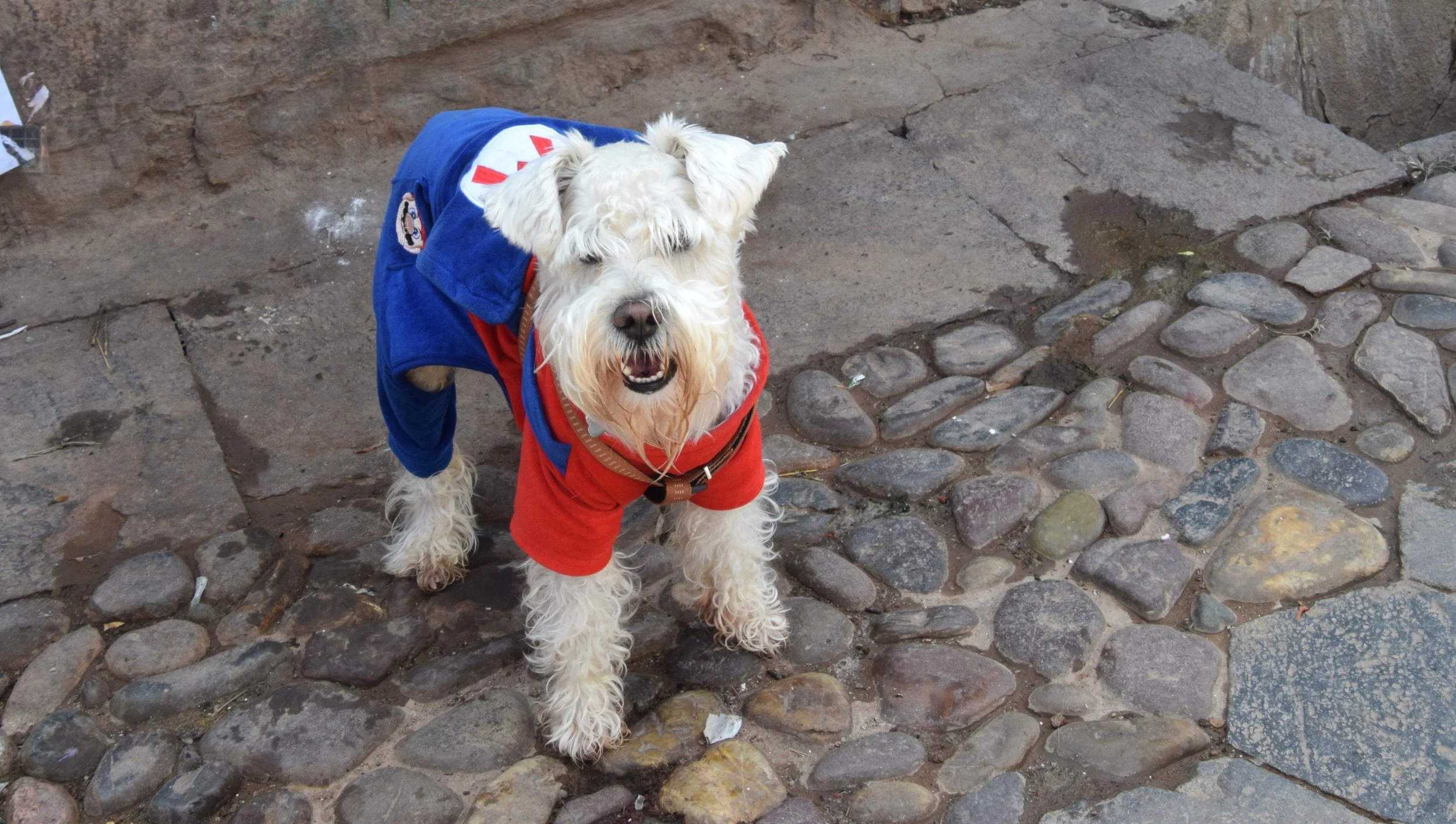
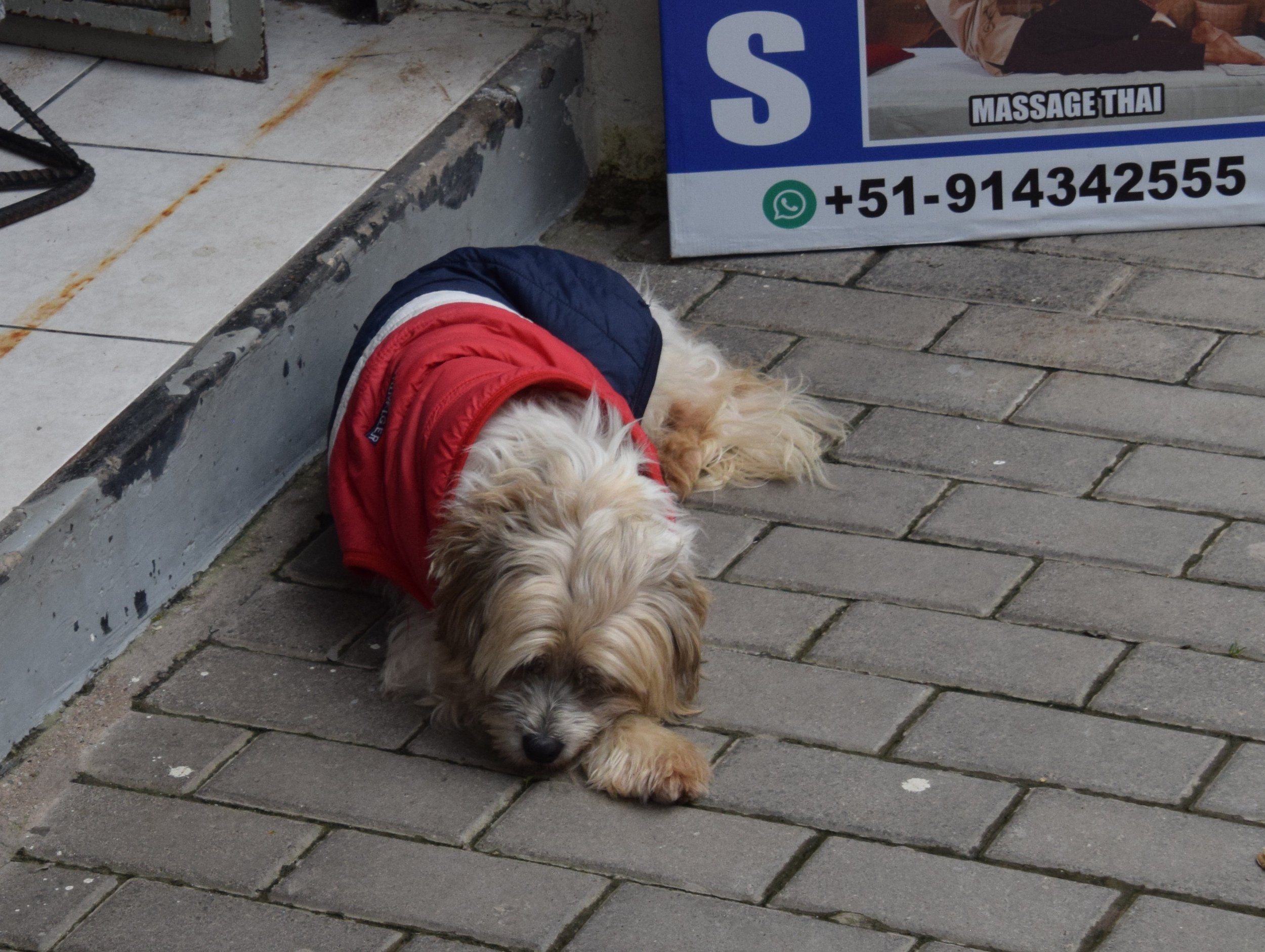
This pup from Lima was all decked out for his outing in the city.
Peru’s Fashionable Dogs
Peru had its own flavor. Many dogs wore clothes — bright little sweaters and jackets to protect them from the cold Andean nights. You’d see a tough-looking street dog rocking a red coat like it was high fashion. One afternoon, while our group stood chatting in the blazing sun, a medium-sized brown mutt casually walked into the middle of our circle, flopped down in our shade, and let out a deep, satisfied sigh. He stayed for ten minutes like we were his personal umbrella, then wandered off without a backward glance.
The Middle Ground
These dogs live in a fascinating middle ground. They’re not pampered American pets who need constant attention and emotional support. But they’re also not completely wild. They’re street-smart, self-sufficient, and surprisingly comfortable sharing the world with humans — on their own terms.
In the U.S., we pour enormous love and money into our dogs. We treat them like family members. In South America, many dogs have more freedom and fewer expectations. They decide which human’s house to visit for dinner. They use people for shade. They cross busy streets like seasoned pros. They live their lives with a kind of quiet independence that I started to envy after a while.
Press enter or click to view image in full size
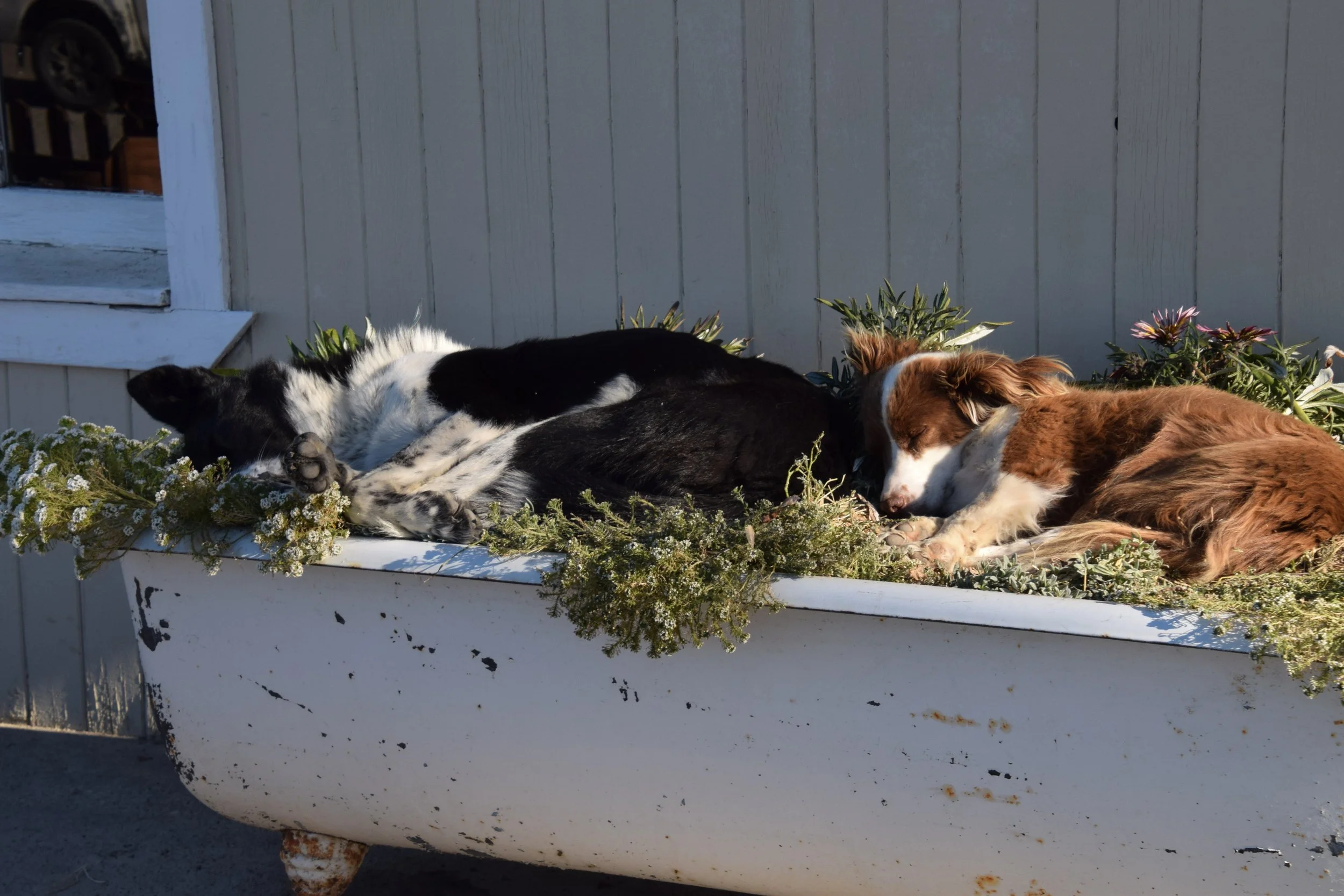
In Patagonia, dogs took to a flower bed for an afternoon nap.
There are downsides, of course: overpopulation, parasites, shorter lifespans. But watching a dog confidently choose his dinner plans for the night, or casually join strangers for shade, made me smile.
By the end of the trip, I had grown fond of them. Not because they loved me back — they mostly didn’t care — but because they seemed so at peace with their place in the world. They weren’t waiting for someone to complete them. They were just living.
I finally understood what our guide meant. Some dogs may have owners, but many have a much less defined role. They belong to themselves more and have some friends who happen to be humans.