Screw it … Do it anyway
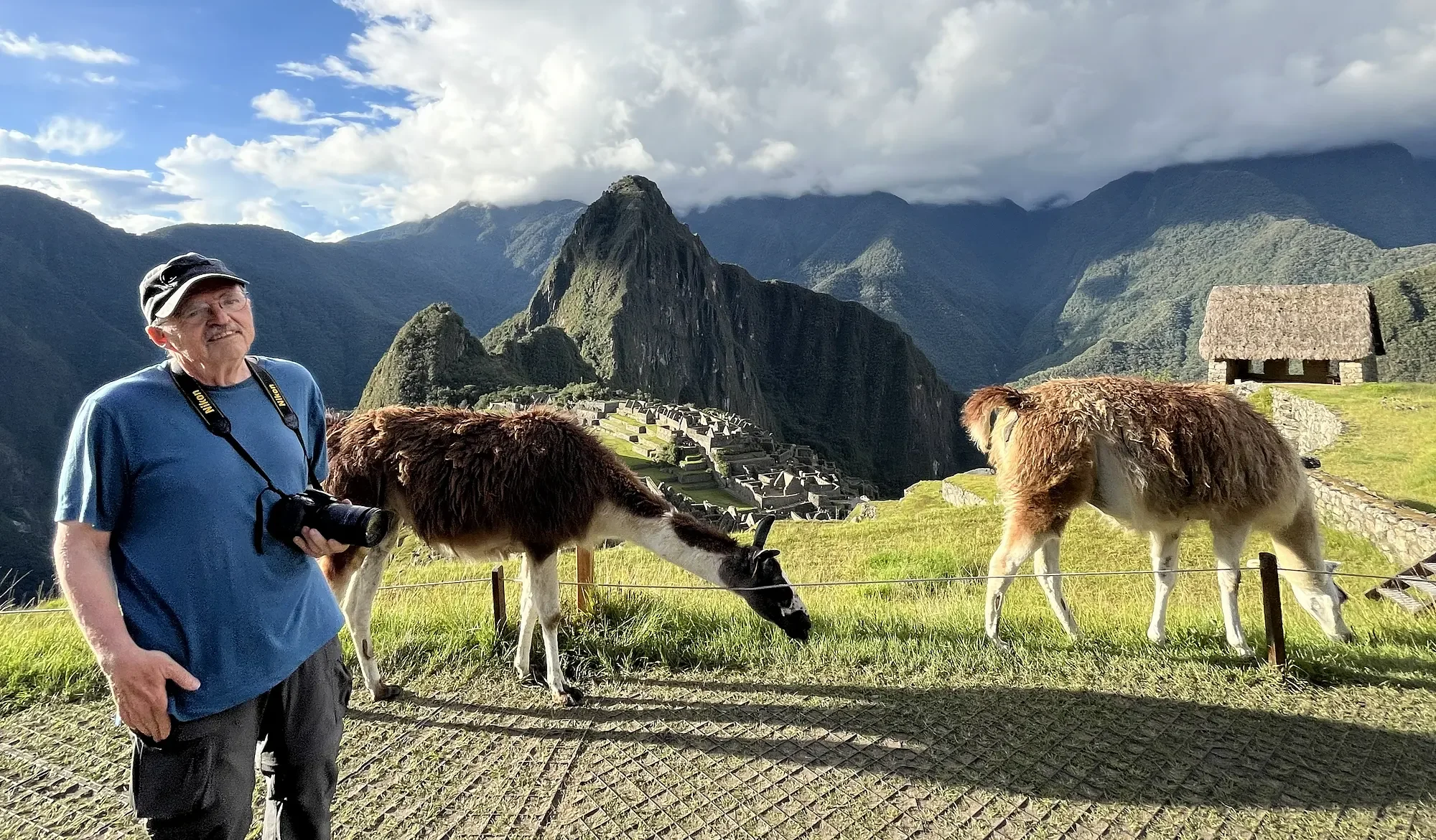
Llamas graze peacefully with Machu Picchu in the background. My battle with depression ended here at the end of the Inca Trail.
Getting ready for the Inca Trail at age 69 was my key to keeping depression under control
I have a sign on my desk that says “Do it Anyway.”
It has become my motto and battle cry since retirement, and it has worked very well.
I have struggled with depression for years, and maybe even more in retirement. It’s not the debilitating kind. Most people around me don’t even know about the struggle. Even so, it often takes a lot of effort to get up in the morning or off the couch in the afternoon.
Having said that, there’s nothing I hate more than platitude nonsense people throw at you. Easy answers that show nothing more than their ignorance.
You know the drill:
Think positive thoughts
Find a hobby
Pray harder, or more
Quit being lazy
Take this pill
Get exercise.
Any of those things can help, but none is the magic cure-all people think.
I’m not going to add to the list, but here is what happened to me when I decided to do it anyway, no matter how bad I felt.
A little more than a year ago, I decided to get serious about a bucket list trip to South America. I started out planning a hiking trip to Patagonia and ended up adding a hike up the Inca Trail in Peru.
I was going to have to do a lot of preparation. I needed to be in good physical condition. I am in good shape compared to a lot of 69-year-old men, but this was going to require much more than that.
I started preparing in earnest. I went from a leisurely stroll of about two miles almost every day to about five miles a day without a day off. I worked on walking faster and started walking with a backpack of 20–30 pounds.
There are not many hills in Kansas, so I went to the local fitness center and set the treadmill on the steepest setting I could find. I got some side-eyes when I walked on the steep treadmill with a backpack of weights strapped to my back. I shrugged that off and turned the speed up.
I hiked on rough terrain when I could find it. I made two weekend trips to the Ozark Mountains in Arkansas, which offered a nice challenge.
Depression did rear its head now and then. There were days when the last thing I wanted to do was walk in cold wind with a weighted backpack on. Hell, there were days I didn’t want to even get out of bed.
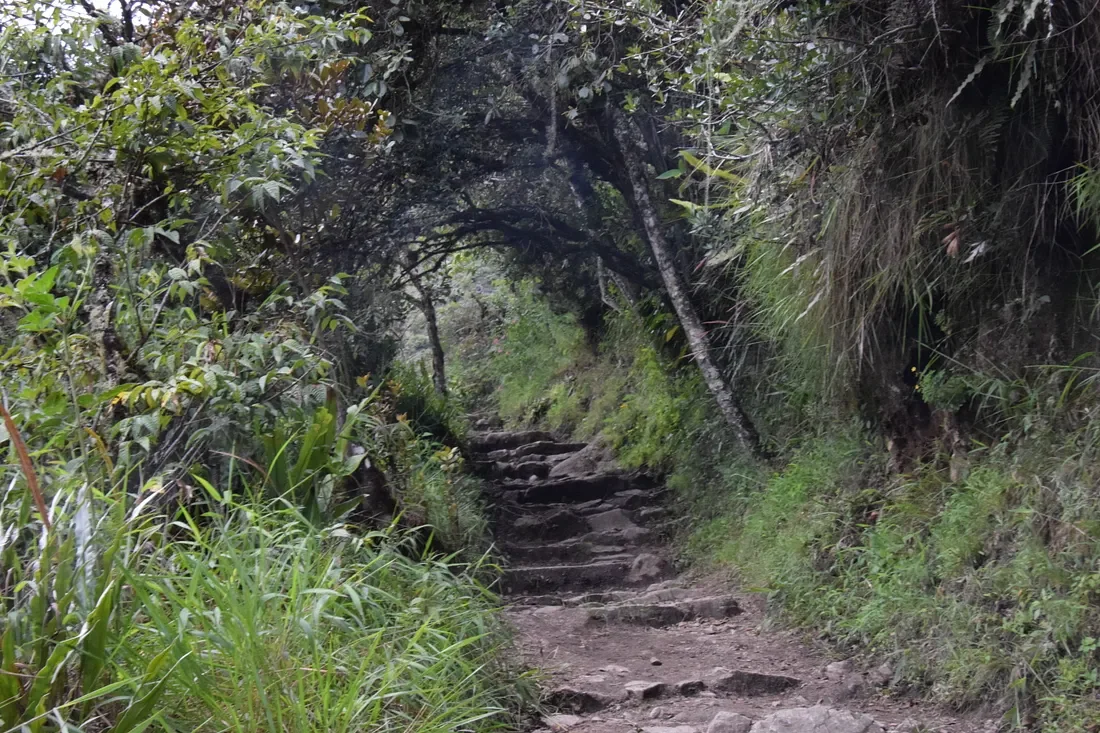
But one day, something occurred to me. I am going to feel like crap today, whether I go or not. If I stay in bed, I’m not going to feel better, and if I go, I’m not going to feel worse.
So I said, screw it, do it anyway. Might as well feel bad at the gym.
It worked. There were days when I went to the gym, or on a local trail, almost crying, I felt so bad. Even so, I realized I would be feeling the same way if I were at home suffering in silence. So do it anyway, I thought.
There were also days that I felt better once I got outside. I kept going on days it didn’t, too, because … why the hell not? Not doing something isn’t going to help either.
A curmudgeon doesn’t need hope, just odds.
The thought of going to South America, and knowing I needed to be prepared, was a great incentive. But so was simply saying, do it anyway.
I did struggle a lot with depression in November and December. The return of cold weather always sends me into a tailspin that can get really dark in the middle of winter. But a strange thing happened.
I was working hard. Pushing myself relentlessly. Walking in cold wind would be good practice for Patagonia, I told myself. As I did, I noticed I felt good in the morning, which was something I didn’t even remember was possible.
By the time January rolled around, I felt like a different person. Usually, that time of year, I’m doubling up on anti-depressants, and just getting out of bed is a victory. But this time I actually had energy all day long. I was almost starting to get sociable.
By February, I was moving four or five hours a day, often with a backpack. I also started weight training — I was at the gym on the treadmill anyway.
Also in February, I realized I was not taking my pills anymore. It was not intentional, but days went by, and not taking them didn’t make much of a difference.
I went to see my doctor for a physical before my trip started, and I mentioned not taking my antidepressants lately. He shrugged and said it was fine if I didn’t feel like I needed them.
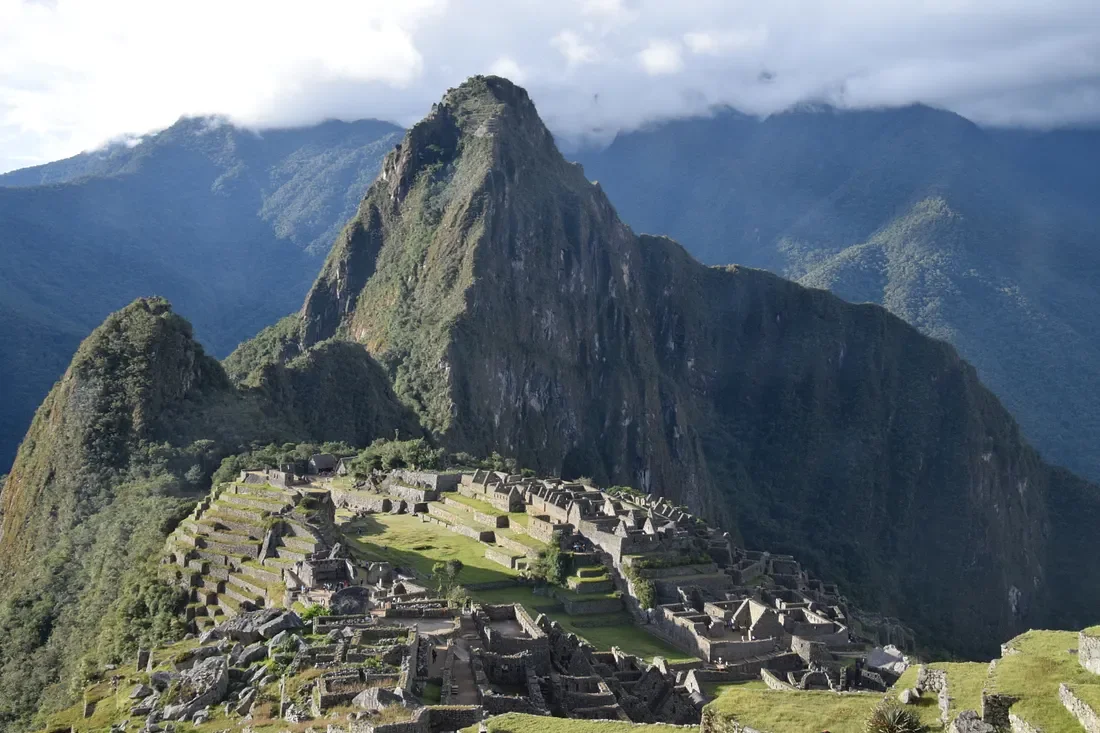
You could argue that I felt better because I had this amazing trip coming up, and that is partly right. That had a lot to do with it. But the extreme workouts were what put me over the edge. I could feel the difference when I took a day or two off. When I had even two days of not working out, I could see those dark clouds forming on the edges of my world.
By the time I was flying to Buenos Aires, I was in as good physical condition as anyone could be at my age.
The hiking was great. Even with my improved conditioning, I still went to my limits on the long hikes. The Andes mountains in Peru kicked my butt hard. I did every precaution in existence and still struggled with altitude.
I got through it, though, just out of stubbornness if nothing else.
When I got home, the depression did not return, as it often does after a big event like this. I kept working out just as hard when I got home, and I don’t see much of those clouds of darkness anymore.
This is what worked for me. There are lots of things that “can” work to get depression under control, or off your back entirely. I’m not going to offer this as a discovery that will change your world as it did mine.
This is what worked for me. Many angles and possibilities come with depression, and what works for one person may not work for another. Keep trying to find what works for you.
What do you think would happen if you just … did it anyway?