How Faith and Belief are Different
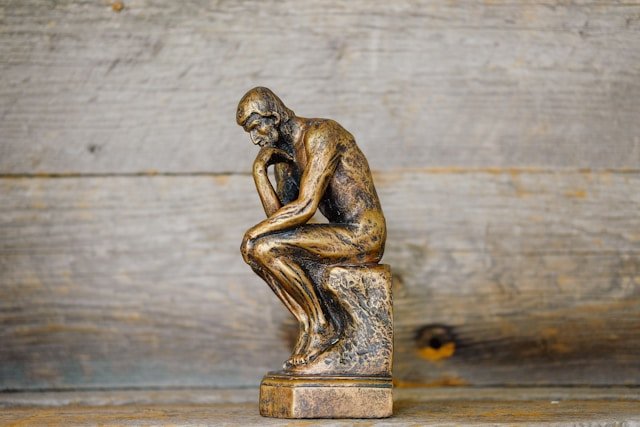
Unsplash photo
This could solve the works vs faith argument
Faith and belief are words we throw around so casually that they’ve become interchangeable. But they are not the same thing.
Belief is your opinion, and that’s all it is. I like this flavor more than that one. Faith is acting on your beliefs—or acting as if your belief is really true.
Most people “believe” exercise is good for you. Most people don’t actually do it, though.
First, you get the “belief” that exercise is a good thing that will benefit you. The next step is to learn about your body and what makes it healthy. Then you can exercise your “faith” in a way that will truly bear fruit.
According to national health statistics, only about 47 percent of the population gets the recommended amount of exercise—roughly 30 minutes a day, five days a week. And only about 30 percent get both aerobic and muscle-toning activity. A much higher percentage “believes” this is good for you. A much smaller percentage has faith in the benefits of exercise and follows through with the right kind of action.
But here’s the catch: you could walk around 30 minutes a day while smoking cigarettes, drinking soda pop, and eating Cheetos, then conclude that exercise didn’t do you much good. Belief is the starting point. Education keeps you from wasting your effort. Faith is what produces real fruit.
The same gap exists in matters of the spirit.
Plenty of people believe in God. They hold the opinion that He exists, that Scripture has wisdom in it, that prayer might help in a crisis. It’s a comfortable mental note, like believing kale is healthy or that climate change is real. It costs nothing and changes nothing.
Faith is different. Faith is lacing up your boots when the trail looks steep. It’s showing up for the relationship even when you don’t feel the spark. It’s choosing honesty over self-protection, generosity when it pinches, stillness when every instinct screams to scroll or fix or run. Faith is acting like the belief is true—long enough, consistently enough, that the reality of it begins to shape you.
This is why James could write that “faith without works is dead.” A belief that never moves your feet is just a flattering opinion about yourself. Real faith, like real exercise, leaves evidence behind.
And this faith is born and nourished in a particular way. As the apostle Paul wrote, “So faith comes from hearing, and hearing through the word of Christ” (Romans 10:17). It’s not primarily a matter of working up stronger feelings or collecting better arguments. It comes through repeated exposure to God’s Word—the message about Christ. That’s the education that keeps us from sabotaging our own faith with spiritual junk food.
I’ve felt the difference in my own life. There were long seasons when I believed all the right things about God. Then came the days I started acting like they were true—trusting when it didn’t make sense, forgiving when I wanted to keep score, stepping into discomfort because the still small voice said “this way.” That’s when belief stopped being an opinion and became a living path.
So the question isn’t really “Do you believe?” Most of us do, at least on some level. The sharper question is: Are you willing to listen to the Word, learn from it, and then live as though it’s true? That’s where belief becomes faith. And faith, practiced over time and fed by the Word, becomes the kind of knowing that no argument can shake and no circumstance can fully undo.
