There’s a reason people don’t trust the news
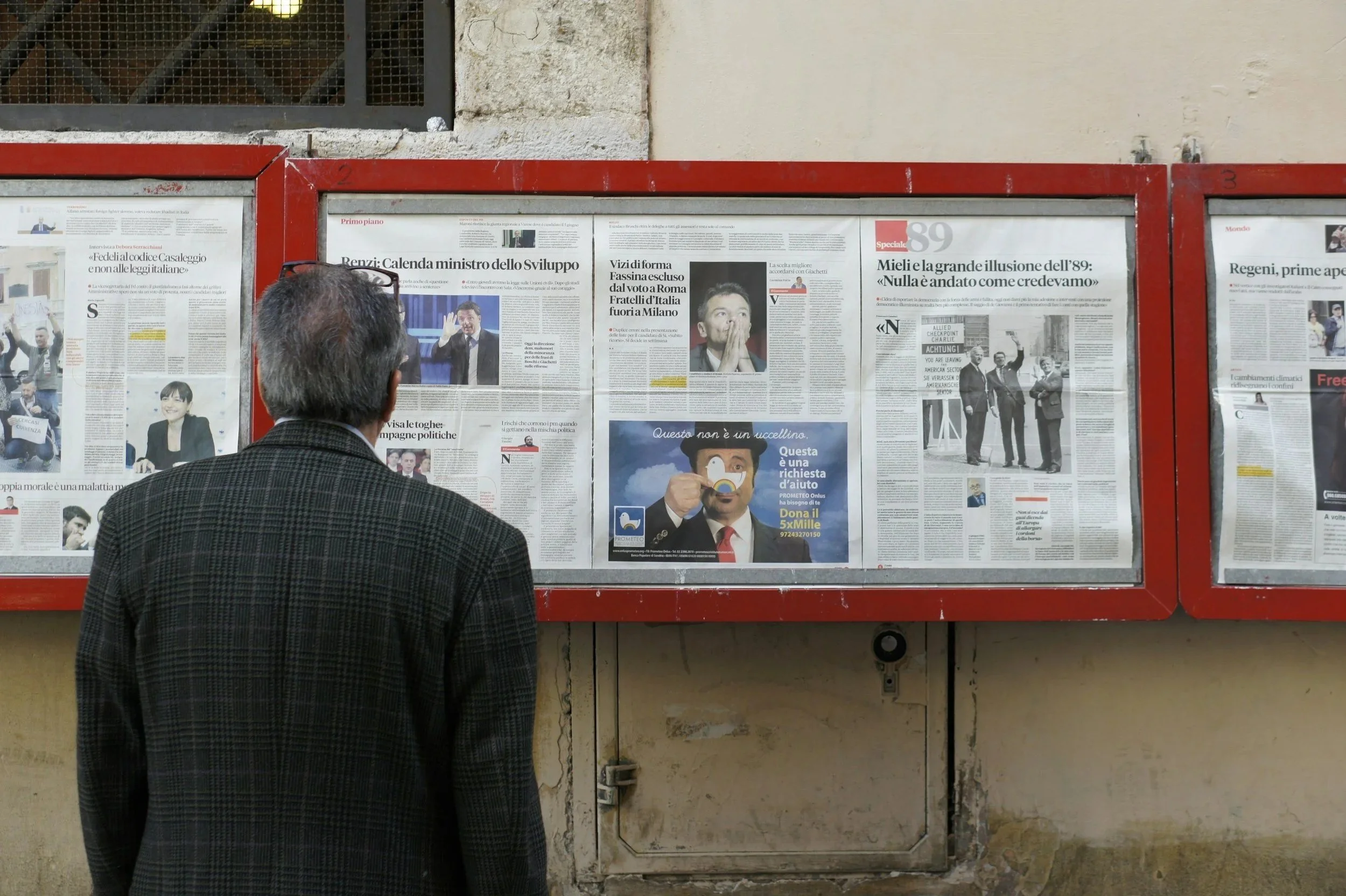
Photo from Unsplash
National Newspaper Week asks for trust. The old rule that earned it is gone.
This is National Newspaper Week. The theme is “Rooted in Community, Committed to Truth.” It sounds fine. It also lands in a year when objectivity has taken a back seat to ideology, and credibility has gone with it.
I spent 35 years in newsrooms. If I had expressed an opinion on a story I was working on, I would have been fired on the spot.
The first rule of real reporting is objectivity. An opinion on a story you are covering destroys your credibility. Full stop. You cannot report straight if you have already decided the verdict, and if you spread that verdict around, everyone knows you cannot report straight either.
That rule got a public test in January, and it failed.
At a White House briefing on Jan. 15, The Hill’s Niall Stanage pressed Press Secretary Karoline Leavitt on immigration enforcement. He cited deaths in ICE custody, detentions of U.S. citizens, and the fatal shooting of Renee Good in Minneapolis a week earlier, and asked how any of that squared with the claim that agents were “doing everything correctly.” Leavitt asked him why Good had been killed. He checked whether she wanted his opinion. She said yes. He said an ICE agent had acted recklessly and killed her unjustifiably.
Leavitt had set a trap. He jumped in and doubled down. She called him a biased reporter with a left-wing opinion, a left-wing hack posing as a journalist who should not be in that seat. The clip went everywhere. Both sides piled on. Neither Stanage nor The Hill had much to say about it afterward, and he went back to work.
Stanage is a columnist, not a straight-news reporter, and a critic will say opinion is his job. That used to be a real distinction. News organizations have torn the wall down. Bylines, briefing-room seats and social-media feeds no longer tell a reader who is reporting and who is arguing. Most people don’t know the difference anymore, and they are not wrong to stop trying. A columnist delivering a verdict on a fatal shooting from a White House seat still spends the credibility the whole press corps is supposed to protect.
She was right about the substance, even if the ask was a setup. He showed a strong opinion, in the briefing room, on a live controversy. By doing that, he showed he should not be trusted to report that story objectively.
Propaganda you agree with is still propaganda.
If I had been asked my opinion at a news conference, the only legitimate answer would have been: I’m here to report. My opinion is not relevant. That is what a real reporter says.
When I was a reporter, I avoided letting anyone know what I thought. I rarely told my wife my opinion on a story I was covering. I tried not to have one. That was standard operating procedure 20 years ago. Even a high school kid on the school paper knows the rule.
It pissed me off. If I had been his editor, I would have texted “you are fired” before he finished the sentence, whether I agreed with him or not. When you have thrown your credibility away on camera, hiding out for a while is the sensible move. He did not have to. He is still working, still posting.
You may think that is harsh. It was not that long ago that newsrooms punished people for far less.
When I was covering the Statehouse, a woman reporter I knew was seen carrying a sign at a pro-choice rally at the Capitol. It was her own time. She had a right to be there. Her paper decided its reputation for objectivity had been tainted. She was pulled off political reporting, written up, and demoted to general assignment.
Some shops went further. In the late 1980s the Milwaukee Journal fired a newsroom secretary for picketing an abortion clinic and other pro-life activity. She was not a reporter. The paper offered her the chance to sign a statement that she would not take part in pro-life activities while employed there. She declined. Into the 1990s, a reporter or any other newspaper employee could be disciplined for political activity on their own time. That is how seriously credibility used to be treated.
This week newspapers are asking readers to trust them because they are rooted in the community and committed to the truth. That ask only works if the people making it still believe the old rule. Most readers who are not blinded by ideology already spot the bias. “Advocacy” and “journalism” are oxymorons. Saying you are objective does not make it so.
Gallup has the scorecard. In the early 1970s, 68 to 72 percent of Americans trusted the mass media to report fully, accurately and fairly. In 2025 that number hit a record low of 28 percent. The September 2026 poll nudged it to 33 percent, almost all of the gain among Republicans. A third of the country now says it has no confidence at all. People are not stupid. They see through it. Hacks who spend their credibility in public and keep the job are part of why.
