
Why I Have the Post Festival Blues
Running out of feel-good chemicals
A lot of it is chemical. You get lots of dopamine and other natural feel-good chemicals going on in your head when you are anticipating a big event. You may get even more during the event. When it’s over, those chemicals fade, and you don’t have any left in your tank. That’s a sure recipe for a dose of depression. It’s extra hard to manufacture them when your supplies are depleted. Even things that usually pick me up, don’t in this situation.

The crowd at The Walnut Valley Festival
Best festival yet, so why do I feel so bad when it’s over?
I just got home from one of the best bluegrass festivals in the nation — The Walnut Valley Festival in Winfield, KS. I had a blast — probably the best experience in the 20 years I have attended. It was everything I hoped for, and even more.
So why do I feel like crap?
It is one of the highlights of the year for me. My world revolves around the third weekend of September. It also falls on my birthday, which is a bonus.
Yet, three days later at home, I feel like the world has ended. Life has no meaning or purpose. I can hardly get out of bed. I’ve long suffered from bouts of depression, but this one seems worse than most. The weather is perfect for hiking, an activity that I love. Yet I’m sitting in my basement and can’t even get dressed.
I am retired and don’t have a job to go to. Going back to work used to be a needed distraction from the letdown. Today there is no distraction from the painful letdown after such a tremendous high.
I am not alone in this. There are lots of psychological articles out there on post-event depression. I like studying mental health, and this always helps me out.
Running out of feel-good chemicals
A lot of it is chemical. You get lots of dopamine and other natural feel-good chemicals going on in your head when you are anticipating a big event. You may get even more during the event. When it’s over, those chemicals fade, and you don’t have any left in your tank. That’s a sure recipe for a dose of depression. It’s extra hard to manufacture them when your supplies are depleted. Even things that usually pick me up don’t in this situation.
It is the same thing with actors. They work a lot to prepare a production. There is lots of anticipation, building to an incredible high during the performance. Then it’s over, and the bottom falls out of one’s emotional health. I have felt that myself. I like acting, but could not live with the crash after the performance.
We will get to some coping strategies further down.
I don’t remember feeling this intense after previous festivals. Returning to work was part of that, but this year was different. Everything was so perfect this year; it seemed like a dream.
What actually happened
There is an elaborate process to getting set up for camping. Lots of people want prime spots, and there is competition between groups. I go as an individual, which makes it a little trickier. There is a lottery of sorts for the lineup. When they open the gates, it is a free-for-all. Everyone goes in and claims their spot as fast as possible. Lots of adrenaline there, but I got a great spot. I scouted the grounds the day before and landed exactly where I wanted to be.
I also ended up next to a group from Texas who took me in, and before the first day was done, I was part of their group. I enjoyed them so much that I have been invited to camp with them again next year.
Then there was my music. I have been taking my guitar playing more seriously for a couple of years. There is lots of jamming in the campgrounds, from beginners to experts. I saw some progress in myself and was reminded I have a long way to go.
I ran into a music instructor there who enjoyed helping me. He showed me things like holding the pick, strumming methods, and posture—mostly mechanical things that change how you play the music. I looked around at the festival, and all the greats were doing what he said.
I’m looking forward to putting all he showed me into practice and improving at guitar.
I always work at the festival too. It is a way of helping out, and pays for my ticket and most of my camping fees. That too went as well as it could have.
The weather was hot, with the occasional thunderstorm.
There isn’t anything I can find to complain about from this year’s festival.
That makes the post-event depression worse. I had all this buildup and anticipation. The event went as well as it possibly could have. Now there is nothing but emptiness.

One of the musicians at the festival. Photo by James Jordan
So what do you do with these feelings? From reading several articles, here are some tips I have gathered.
Embrace the feelings
Understand this is a normal reaction. Give yourself some grace. Your body, mind, and spirit need rest after a major event. Take the time off and rest if you can. It is not comfortable, but it will pass in due time. Usually, that time is not overly long.
Prepare
You can be aware that this is likely to happen, so prepare yourself. If you don’t have a natural distraction, create your own. Have something else to be involved in, or to get involved with as soon as the event ends. It should be something not as intense, but it could lessen the depth of the letdown.
Talk it out
Talk about the feelings with someone who will listen and try to understand. Having someone support you in this time can be very valuable.
Think about the good
You can take time to revisit what happened. Make journal entries. This can make it worse for some people, but it also helps others. Recalling the good things may ease the letdown. If there were bad things that didn’t go well, you could think of ways of improving them for next time.
Find another cause or goal
It may be a good idea to do this even before your event. Have something else in mind to look forward to or achieve. If you just got back from a vacation and feel low, start planning the next one. Think about another place you want to go and how to get there.
The Takeaway
A letdown is normal after a big event or after you achieve a major goal. The key is to accept the feelings and take the rest you need. It is a good idea to have something to fall back on, like the next goal or event, to get started on.
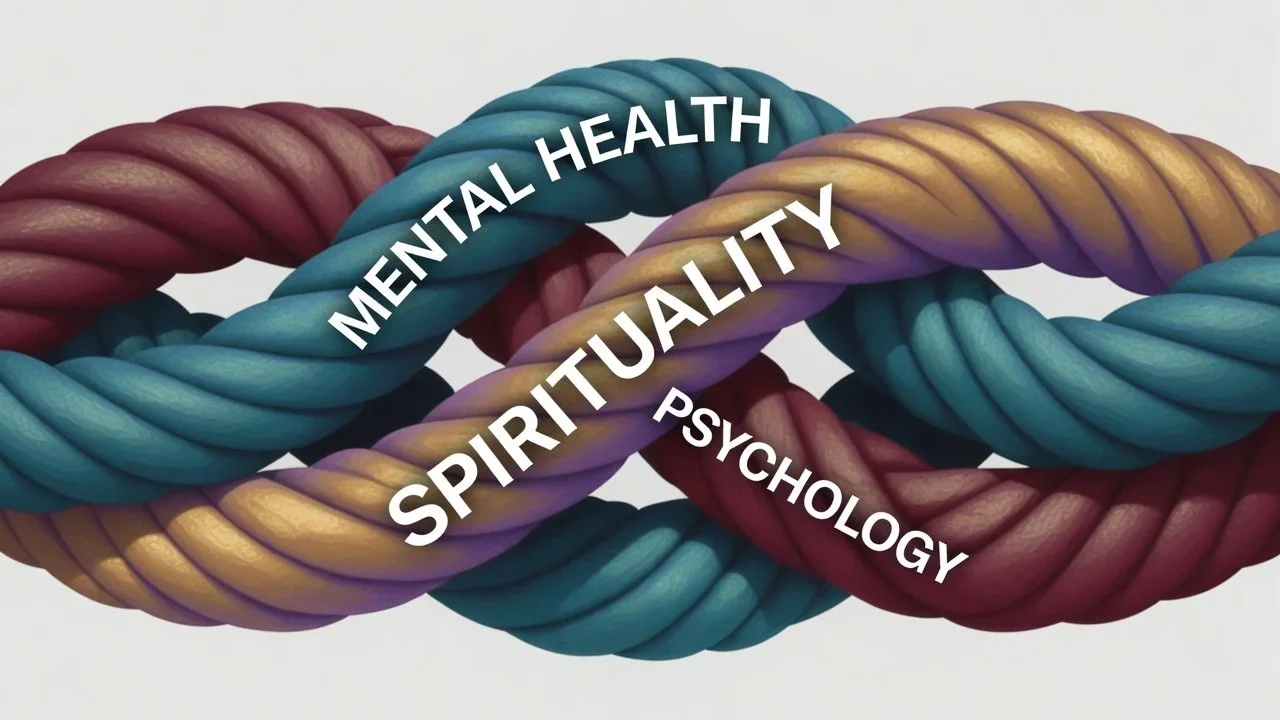
Inside the ADHD World
Here are some thoughts about having ADHD and how I have related to it over the years.
It is a real condition, but I am not convinced it is an illness. It may just be different than the norm.
There are some positive aspects of ADHD. There is a downside too, of course, and the biggest one I believe is being misunderstood.
It is real, and we do see the world differently than you do. That does not make it bad, and I still don’t like calling it a disorder.

PHOTO BY PETER BURDON, Unsplash
Here are some thoughts about having ADHD and how I have related to it over the years.
It is a real condition, but I am not convinced it is an illness. It may just be different than the norm.
There are some positive aspects of ADHD. There is a downside too, of course, and the biggest one I believe is being misunderstood.
It is real, and we do see the world differently than you do. That does not make it bad, and I still don’t like calling it a disorder. It is just that our world is dominated by people who do not share the ADHD trait. Maybe it’s everyone else that is messed up and the ADHD people are the ones who are normal. As they say, the winners of the war get to write the history. I’m not ready to totally concede anything on this.
People think I am a space cadet at times, or that I have trouble paying attention. They think I am easily distracted, and even worse things. The world is designed for non-ADHD people, and often we feel that we just don’t fit. We don’t fit really. I know some people want a black-and-white world, and I am living in a million shades of grey and am not even sure black and white exist. Do you see how this can be a problem? We don’t even have the same frame of reference for reality.
Trying to cope, not knowing what to call … whatever it was
Some strange things happened in school. I still remember in third grade, thinking my history book was so interesting that I stayed up all night reading it. My teacher didn’t believe me when I told her I had read the whole book and had no sleep, and that was why I was sleeping in her class.
I would take books home at times, and I would read the book cover to cover without stopping. I hated being interrupted in those times. But there were other times I would just lose interest and forget to study for a test, and bomb it totally.
The inconsistency I showed baffled teachers. I might get every question right on a test one week, and the next week, get hardly any right. It was not uncommon for my report card to have A’s and F’s in school. Teachers always wanted to know why, and I had no answers at that time.
A classic example was when we had to write an essay in class. I was good at this. I helped my two buddies get started, and I was nearly done. Next thing I know, everyone else was done and turning theirs in. I had stopped and never got going again. There were a few teachers here and there who “got” me and let me develop at my own speed and way of dealing with things. Most didn’t, and I developed a pretty bad attitude by the time I got to high school.
Some people “get it,” but most do not. I really value those that do, and I am fiercely loyal to them as friends. Even as an adult who takes medicine, I still have trouble finding people who “get me.”
People with perfectionism think I am crazy. I don’t think highly of them either. I sometimes think perfectionism is the antithesis to ADHD. We are like oil and water. Maybe like gasoline and water. Don’t light a match if we are in the same room.
Press enter or click to view image in full size
Unsplash photo
People with perfectionism think I am crazy. I don’t think highly of them either. Perfectionism is the antithesis to ADHD. We are like oil and water. Maybe like gasoline and water. Don’t light a match if we are in the same room.
It is who I am
I know it is hard to understand. No, I cannot just sit still. I need my phone because I need to fidget with something. Sorry, clicking my pen irritates you, but if I stop, I will soon be tapping on the table, and that will irritate you worse. I am paying attention as I look around the room, or at my phone, or at whatever is happening out the window.
I will tune you out if you keep going on and on about some trivial matter while I think about 10 ideas at once. I have tried to learn to pay attention, and I am a lot better than I used to be. It really isn’t personal. I still struggle with having to listen to someone about something when my 20 ideas are trying to get my attention.
On the other side, there is “hyperfocus.” It is another side of ADHD that most folks don't understand. If I get locked in on something, nothing can distract me. I was a reporter for many years and developed the ability to turn hyperfocus on and off at will. It was hard, and it does wear me out, but I can focus when I have to.
Discovering ADHD
I was well into my 30s before I realized I had ADHD. I was in counseling for depression. My counselor and the medical doctor agreed that I had the condition. Some tests can be done, but they are not reliable, and whether they are even accurate is still a question doctors are debating. It is like a lot of other mental issues. There are certain traits, and if you have them, then you likely have the condition.
Just for the record. There is a chart of 10 symptoms. I have eight of them. I have one of the other two at times in certain situations.
Battling depression
I battled depression for some years. I self-medicated with tobacco and sex. Alas, neither does enough eventually, and depression sets in. Depression and ADHD go hand in hand. They are first cousins, or they might even be brothers. The problem is, ADHD makes the world a harder place to live in. Things don’t work as they should. Things are harder than they are for other people. As a result, you can get depressed because people are always upset with you or hardly ever understand you.
Generally, if you treat one condition, you will treat the other. A mild antidepressant can be just as effective as an ADHD med, for example. It also takes time to figure out what the best treatment options are. Some doctors just prescribe the same medicine for everyone, and it may or may not work. I was fortunate to have a doctor who was willing to work with my counselor and me to find the right drugs and the right combination.
To medicate or not
The medications are a two-edged sword. They do curb your creativity somewhat as they take the edge off those things that can cause the depression that fuels our creativity. It is not that the medication curbs your creativity, but it does rob your creativity of its fuel — which is often depression.
I don’t have a severe case, so I take a fairly light dosage. It is not a big deal if I miss taking it a day or two here and there, but I can tell a difference after a couple of days. Without it, the distractions are much stronger, it is much harder to focus, and there is a general spaced-out feeling. I can get irritable then too.
When I was younger, I would have some pretty extreme mood swings. I might get angry and cuss you out, and you not really even know I was upset. Well, I wasn’t upset at you really. It had been building for a few days, and whatever it was you said or did just broke the dam open, so to speak.
I might get hyper-focused and work for days with minimal sleep and food, almost nonstop. I also might never be able to get interested.
Like a lot of other ADHD people, I also developed a reputation for not being dependable. That was well before I knew I had it. But I might just decide to head out of town for a week or so and not tell anyone. Irate bosses would fire me, and family would worry. I would come back home and not have any idea why people were upset. Did I forget to tell you I was going? You fired me for that??
There is also this thing of staying interested or getting bored. It is a two-edged sword in a sense. On one hand, I do lose interest very quickly. I rarely finish an article on Medium, even though many of them are great. But at the same time, I might get interested in it and read it 10 times, underline things and take notes. I might then get on Google and research it to death, and even write my own article — certainly not copied but at least inspired.
That is something that surprises me too at times; I never know when something will click.
But as I said earlier, I don’t have a severe case and most people around me don’t know I have it. You have to be careful who you tell, and you have to be careful about revealing this at work. I have developed some coping mechanisms and can hide it pretty well. But even then people think I am kind of spacey.
I do forget details, or I might remember details that don’t matter. I might leave one thing undone and do something else, for instance.
I could take stronger medication, but that would drown out my creativity too much and would have other negative side effects. I think I have a good balance there. I have enough medication to calm things down to a level where I can manage. That leaves me able to make use of the advantages of ADHD.

Riding out a Bad ADHD Day
Nothing was actually wrong, yet everything bothered me. A trivial comment from my boss that normally wouldn’t register suddenly felt infuriating. A coworker’s joke — the kind we make all the time — landed like sandpaper.
I knew I was overreacting, but knowing it didn’t make the feelings go away. It only added another layer of frustration.
This is the internal world of a bad ADHD episode.
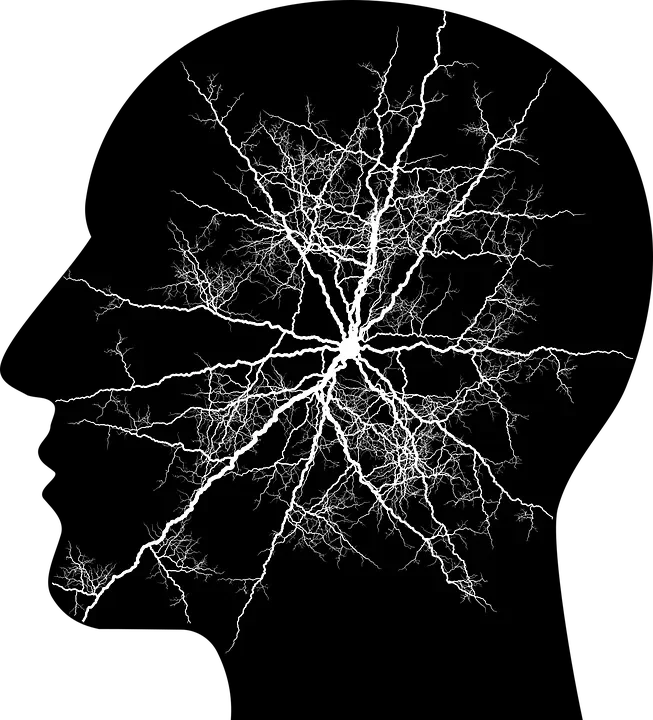
Inside the ADHD Brain. Image from Unsplash
This story was written a few years ago but still feels just as relevant.
Yesterday was a Bad ADHD day.
Nothing was wrong, but nothing was right.
Even having a casual conversation felt difficult. It was like banging hard on an out-of-tune guitar, desperately trying to play a song I don’t really know — then wondering why the tune sounds so unfamiliar. No matter how hard I strummed, it just wouldn’t come together. Eventually I wanted to smash the guitar and walk away.
I had felt it building for a few days: that deep inner restlessness that makes your whole world feel slightly off. By yesterday it had turned into full-blown irritation, overreaction, and slow-boiling anger.
Nothing was actually wrong, yet everything bothered me. A trivial comment from my boss that normally wouldn’t register suddenly felt infuriating. A coworker’s joke — the kind we make all the time — landed like sandpaper.
I knew I was overreacting, but knowing it didn’t make the feelings go away. It only added another layer of frustration.
This is the internal world of a bad ADHD episode.
I used to get these frequently before medication. The pills help a lot, but every now and then the fog still breaks through hard. It’s more than just being scattered or forgetful. It’s being upset as though something major had happened — when in reality, nothing did.
Lying in bed that night, I couldn’t sleep. My mind kept searching for things to be angry about. I tried to find real incidents to ruminate over, but even the ones I came up with felt insignificant and boring. I was experiencing all the physical and emotional symptoms of being attacked — without any actual attacker.
I was angry, agitated, and restless, but the target kept shifting.
I came very close to quitting my job over something completely trivial. Thankfully, I paused long enough to question whether my reaction matched the situation. It didn’t. Not even close.
The next morning the fog had started to lift.
I showed up to work, and everything was normal. My boss was the same person. My coworkers were joking like always. No one had any clue about the internal storm I had been fighting the day before.
I’m glad I didn’t act on any of those impulses. I didn’t yell, I didn’t quit, and I didn’t unload on anyone.
There’s a difference between bottling things up in a harmful way and simply choosing not to dump your bullshit onto other people.
Sometimes the wisest move is to ride out the storm quietly.
Bad ADHD days like this are exhausting. They remind me how much energy it takes to manage a brain that can turn a completely ordinary day into an emotional battlefield. But they also pass. The clouds eventually roll away, and a new day begins.
One bad day survived. Tomorrow is another chance.

What is ADHD Hibernation, and what to do about it
This is classic ADHD hibernation — that heavy, ADHD-fueled mental fog that feels a lot like depression but has its own distinct pattern.
I know the difference intellectually. With regular depression, I have clearer strategies, but when the ADHD fog rolls in, motivation completely disappears.

PHOTO FROM UNSPLASH
The spiral into depression-like fog is hard to escape.
The last week or so has been perfect hiking weather. I’m retired, which means I can do anything I want. I love hiking — the trails, the quiet, the way it resets my mind.
So why have I been stuck inside playing video games I don’t even like?
This is classic ADHD hibernation — that heavy, ADHD-fueled mental fog that feels a lot like depression but has its own distinct pattern.
I know the difference intellectually. With regular depression, I have clearer strategies, but when the ADHD fog rolls in, motivation completely disappears.
Even the things I normally love feel overwhelming or pointless.
Instead of getting outside, I hide in the house on my computer.
Instead of eating well, I either skip meals or reach for junk.
Instead of staying consistent with my medication, I drink way too much coffee trying to force alertness.
I knew these choices were making everything worse, but in the thick of the fog they felt like the only options available. Frustration builds quickly, and the cycle deepens.
The last couple of days have finally started to shift. The fog is slowly lifting. I forced myself to the gym — the very last thing I wanted to do — and it created a small crack in the pattern. Now I’m planning to get back out on the trails. This cycle is incredibly common for those of us with ADHD.
Two resources that have helped me understand and manage it better are:
I’m still learning how to shorten these hibernation periods. The key, I’ve found, is catching the fog early and forcing one small positive action even when every part of me resists — whether that’s a short walk, preparing a real meal, stepping outside for fresh air, or just putting on workout clothes.
These tiny wins help nudge the brain chemistry in the right direction and start thinning the mental fog. If you deal with ADHD hibernation too, please know you’re not lazy or failing.
This is a real neurological pattern many of us face. The fog is powerful, but it’s not permanent. One small action at a time really does add up. The hike is calling my name. I think I’ll finally answer it soon.

Screw it … Do it anyway
But one day, something occurred to me. I am going to feel like crap today, whether I go or not. If I stay in bed, I’m not going to feel better, and if I go, I’m not going to feel worse.
So I said, screw it, do it anyway. Might as well feel bad at the gym.
It worked. There were days when I went to the gym, or on a local trail, almost crying, I felt so bad. Even so, I realized I would be feeling the same way if I were at home suffering in silence. So do it anyway, I thought.

Llamas graze peacefully with Machu Picchu in the background. My battle with depression ended here at the end of the Inca Trail.
Getting ready for the Inca Trail at age 69 was my key to keeping depression under control
I have a sign on my desk that says “Do it Anyway.”
It has become my motto and battle cry since retirement, and it has worked very well.
I have struggled with depression for years, and maybe even more in retirement. It’s not the debilitating kind. Most people around me don’t even know about the struggle. Even so, it often takes a lot of effort to get up in the morning or off the couch in the afternoon.
Having said that, there’s nothing I hate more than platitude nonsense people throw at you. Easy answers that show nothing more than their ignorance.
You know the drill:
Think positive thoughts
Find a hobby
Pray harder, or more
Quit being lazy
Take this pill
Get exercise.
Any of those things can help, but none is the magic cure-all people think.
I’m not going to add to the list, but here is what happened to me when I decided to do it anyway, no matter how bad I felt.
A little more than a year ago, I decided to get serious about a bucket list trip to South America. I started out planning a hiking trip to Patagonia and ended up adding a hike up the Inca Trail in Peru.
I was going to have to do a lot of preparation. I needed to be in good physical condition. I am in good shape compared to a lot of 69-year-old men, but this was going to require much more than that.

The clouds rolled back just in time to catch the evening sun on Machu Picchu
I started preparing in earnest. I went from a leisurely stroll of about two miles almost every day to about five miles a day without a day off. I worked on walking faster and started walking with a backpack of 20–30 pounds.
There are not many hills in Kansas, so I went to the local fitness center and set the treadmill on the steepest setting I could find. I got some side-eyes when I walked on the steep treadmill with a backpack of weights strapped to my back. I shrugged that off and turned the speed up.
I hiked on rough terrain when I could find it. I made two weekend trips to the Ozark Mountains in Arkansas, which offered a nice challenge.
Depression did rear its head now and then. There were days when the last thing I wanted to do was walk in cold wind with a weighted backpack on. Hell, there were days I didn’t want to even get out of bed.
But one day, something occurred to me. I am going to feel like crap today, whether I go or not. If I stay in bed, I’m not going to feel better, and if I go, I’m not going to feel worse.
So I said, screw it, do it anyway. Might as well feel bad at the gym.
It worked. There were days when I went to the gym, or on a local trail, almost crying, I felt so bad. Even so, I realized I would be feeling the same way if I were at home suffering in silence. So do it anyway, I thought.
There were also days that I felt better once I got outside. I kept going on days it didn’t, too, because … why the hell not? Not doing something isn’t going to help either.
A curmudgeon doesn’t need hope, just odds.
The thought of going to South America, and knowing I needed to be prepared, was a great incentive. But so was simply saying, do it anyway.
I did struggle a lot with depression in November and December. The return of cold weather always sends me into a tailspin that can get really dark in the middle of winter. But a strange thing happened.
I was working hard. Pushing myself relentlessly. Walking in cold wind would be good practice for Patagonia, I told myself. As I did, I noticed I felt good in the morning, which was something I didn’t even remember was possible.
By the time January rolled around, I felt like a different person. Usually, that time of year, I’m doubling up on anti-depressants, and just getting out of bed is a victory. But this time I actually had energy all day long. I was almost starting to get sociable.
By February, I was moving four or five hours a day, often with a backpack. I also started weight training — I was at the gym on the treadmill anyway.
Also in February, I realized I was not taking my pills anymore. It was not intentional, but days went by, and not taking them didn’t make much of a difference.
I went to see my doctor for a physical before my trip started, and I mentioned not taking my antidepressants lately. He shrugged and said it was fine if I didn’t feel like I needed them.
You could argue that I felt better because I had this amazing trip coming up, and that is partly right. That had a lot to do with it. But the extreme workouts were what put me over the edge. I could feel the difference when I took a day or two off. When I had even two days of not working out, I could see those dark clouds forming on the edges of my world.
By the time I was flying to Buenos Aires, I was in as good physical condition as anyone could be at my age.
The hiking was great. Even with my improved conditioning, I still went to my limits on the long hikes. The Andes mountains in Peru kicked my butt hard. I did every precaution in existence and still struggled with altitude.
I got through it, though, just out of stubbornness if nothing else.
When I got home, the depression did not return, as it often does after a big event like this. I kept working out just as hard when I got home, and I don’t see much of those clouds of darkness anymore.
This is what worked for me. There are lots of things that “can” work to get depression under control, or off your back entirely. I’m not going to offer this as a discovery that will change your world as it did mine.
This is what worked for me. Many angles and possibilities come with depression, and what works for one person may not work for another. Keep trying to find what works for you.
What do you think would happen if you just … did it anyway?